Macros: The Complete Guide to Macronutrients
If you have ever tracked calories, followed a training plan or tried to eat better, you have met the word macros.
Short for macronutrients, they are the nutrients your body needs in the largest amounts: the ones that supply energy and keep everything running. They shape muscle recovery, exercise performance, energy levels and general health.
Understanding them does not commit you to a restrictive diet. It just means you can build meals that suit your goal — losing weight, building muscle, or simply eating better than you did last month.
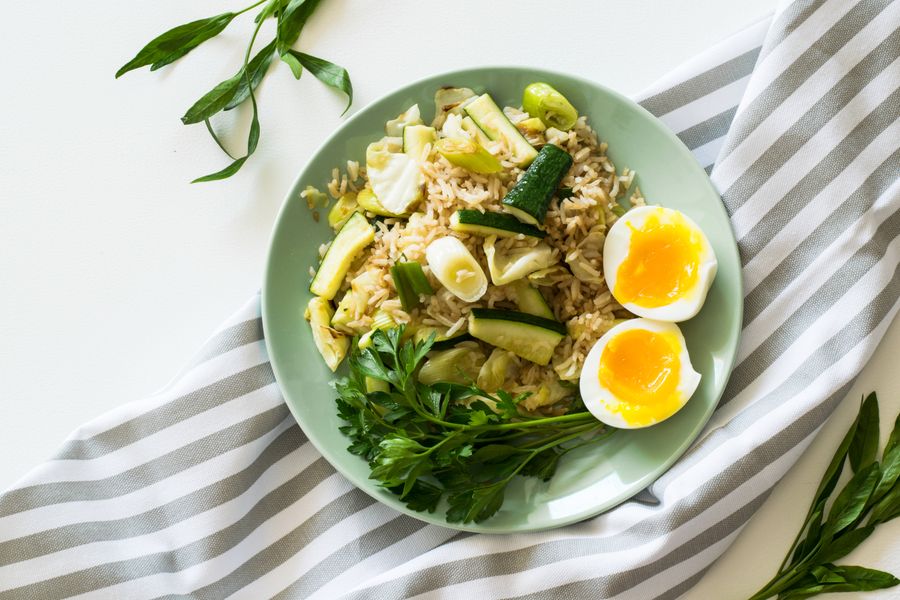
What are macros?
Macros, or macronutrients, are the three nutrients that give your body energy: protein, carbohydrates and fat. Every food you eat contains one or more of them in some ratio.
Calories tell you how much energy a meal carries. Macros tell you what that energy is made of — which is usually the more useful question.
The three macronutrients
Protein
Protein maintains and repairs muscle, supports immune function and contributes to healthy skin, hair and nails.
4 calories per gram
- Chicken
- Turkey
- Fish
- Eggs
- Greek yoghurt
- Cottage cheese
- Lentils
- Beans
- Tofu
- Tempeh
Mealiv tracks your daily protein automatically and can recommend meals that close the gap to your target. To set one, use the protein calculator.
Carbohydrates
Carbohydrates are your body's preferred energy source, fuelling daily activity, exercise and brain function.
4 calories per gram
- Oats
- Brown rice
- Wholemeal bread
- Wholewheat pasta
- Potatoes
- Fruit
- Beans
- Lentils
Wholegrain and fibre-rich versions bring vitamins, minerals and fibre along with the energy, which is why they are worth choosing over refined ones.
Fat
Dietary fat supports hormone production, brain health and the absorption of the fat-soluble vitamins.
9 calories per gram
- Olive oil
- Avocados
- Nuts
- Seeds
- Oily fish
- Nut butters
At more than twice the energy density of the other two, fat is where portion size matters most. That is a reason to measure it, not a reason to avoid it — it is a necessary part of a balanced diet.
Why macros matter
Paying attention to the balance, rather than only to the total, helps you stay full for longer, maintain muscle, fuel exercise, recover from it, hold steady energy through the day, and build meals that are actually balanced.
There is no single right split. The useful version of this idea is not "hit these three numbers" but "notice when one of them is consistently missing" — which, for most people most of the time, is protein or fibre.
Calories versus macros
Calories tell you how much energy you are eating. Macros tell you where it came from.
Two meals can carry identical calories and do quite different things to you. One built from lean protein, vegetables and wholegrains behaves differently from one made mostly of highly processed food — in fullness, in nutrients, and in how the next three hours feel.
Tracking both gives you the complete picture. Tracking neither is fine too, as long as you are getting the results you want.
How many macros do you need?
There is no universal split. Yours depends on age, sex, height, weight, activity level, health goals and what you actually like eating.
Weight loss
Most people prioritise adequate protein while holding an appropriate calorie deficit. There is more detail in macros for weight loss.
Muscle gain
Higher protein alongside enough carbohydrate to support training and recovery.
General healthy eating
A balanced mix, with attention to food quality as much as ratio.
The macro calculator estimates your daily targets from your own numbers, which beats copying someone else's.
How Mealiv makes tracking easy
Calculating macros by hand is slow enough that most people stop doing it by week three. Mealiv tracks calories, protein, carbohydrates, fat, fibre, vitamins, minerals and your Food Quality Score automatically, analysing meals and recipes rather than waiting for you to enter arithmetic.
See it on the nutrition tracker, or check a single recipe with the recipe nutrition calculator.
Build meals around your macros
Targets are only useful once they become dinner. The AI meal planner generates balanced weekly plans, raises or lowers protein, adjusts carbohydrates, changes portion sizes, suggests swaps and recommends recipes that fit your goals — and re-plans when the goals move.
The full worked version is the macro meal plan, and the tool that builds it is the macro meal planner.
Common macro tracking mistakes
Focusing only on protein
Protein gets the attention, and it deserves some. Carbohydrates and fats have jobs too, and a diet that neglects either tends to show it.
Ignoring portion sizes
Nutritious food still carries calories. Olive oil and nuts are excellent and easy to eat a great deal of.
Chasing perfect numbers
Daily intake does not need to be exact. Consistency across weeks and months matters far more than any individual day, and treating targets as a pass/fail test is how people quit.
Forgetting food quality
Hitting your macros does not guarantee a good diet — you can meet all three targets on food that does very little for you otherwise. The Food Quality Score exists to keep both in view at once.
Free macro tools
- Macro Calculator
- Calorie Calculator
- TDEE Calculator
- BMR Calculator
- Protein Calculator
- Body Fat Calculator
- Weight Loss Calculator
- Recipe Nutrition Calculator
Every one of them gives an estimate to start from. Your own results over a few weeks are what confirm or correct it.
Frequently asked questions
What are macros?
Protein, carbohydrates and fat — the three nutrients your body needs in the largest amounts, supplying energy and supporting essential functions.
Should I count macros or calories?
Both, if you are going to count anything. Calories manage energy intake; macros tell you whether the diet underneath is balanced.
Is macro tracking only for athletes?
No. It is just as useful for weight loss or general healthy eating, and nothing about it requires a gym.
Can Mealiv calculate my macros?
Yes — the macro calculator estimates your daily targets, and the nutrition tracker monitors intake against them through the day.
Continue exploring
- Macro Meal Plan
- Macro Meal Planner
- Macros for Weight Loss
- Macros for Muscle Gain
- Macro Foods
- Best Macro Ratio
Related reading: weight loss, healthy eating, high protein meal plans and the food diary guide.