High Protein Meal Plan UK: Your Complete Guide to Eating More Protein Every Day
Protein has become one of the most talked-about nutrients for good reason. Whether your goal is losing weight, building muscle, improving your diet or simply staying fuller between meals, eating enough protein can make a significant difference.
A high protein meal plan UK approach doesn't mean eating endless chicken breasts or expensive supplements. With everyday supermarket ingredients including eggs, yoghurt, fish, beans, lentils and lean meats, it's surprisingly easy to reach your protein goals while enjoying balanced meals.
The UK's Reference Nutrient Intake (RNI) recommends around 0.75g of protein per kilogram of body weight, equivalent to approximately 55g per day for men and 45g for women. However, research suggests people trying to lose weight, preserve muscle or exercise regularly often benefit from higher intakes.
This guide explains how much protein you really need, the best high-protein foods available in UK supermarkets, example meal plans, shopping tips and practical ways to consistently hit your protein target. If you want an easier way to organise everything, Mealiv's High Protein Meal Planner can automatically build weekly meal plans around your chosen protein goal.

What Is a High Protein Meal Plan?
A high-protein meal plan is simply a weekly eating plan where every meal includes a meaningful source of protein. Rather than focusing only on calories, it balances protein across breakfast, lunch, dinner and snacks.
A typical high-protein day might include:
- Greek yoghurt and berries for breakfast
- Chicken salad for lunch
- Cottage cheese as a snack
- Salmon with vegetables for dinner
Instead of consuming most of your protein during the evening meal, spreading it throughout the day helps your body use it more efficiently while keeping hunger under control.
How Much Protein Do You Need?
The UK Government recommends adults consume:
- 0.75g of protein per kilogram of body weight
- Around 55g daily for men
- Around 45g daily for women
These figures are designed for maintaining general health. Many nutrition professionals recommend considerably more protein when trying to lose weight or increase muscle mass. Examples include:
| Body Weight | UK Minimum | Higher Protein Target |
|---|---|---|
| 60kg | 45g | 75–95g |
| 70kg | 53g | 90–110g |
| 80kg | 60g | 100–125g |
| 90kg | 68g | 115–140g |
A person eating 1,800 calories with around 25% coming from protein would consume approximately 110g of protein per day. That may sound high, but it's surprisingly achievable with sensible meal planning.
Why Protein Matters
Protein performs hundreds of functions throughout the body. It helps to:
- Build and repair muscle
- Maintain healthy bones
- Support the immune system
- Produce enzymes and hormones
- Maintain healthy skin, hair and nails
For people trying to lose weight, protein offers another major advantage. Protein helps you stay fuller for longer by reducing hunger hormones such as ghrelin while increasing satiety hormones including peptide YY. It also has the highest thermic effect of any macronutrient, meaning your body burns more calories digesting protein than carbohydrates or fats.
Best High Protein Foods in the UK
The easiest way to increase protein intake is by choosing foods naturally rich in protein.
Lean Meat
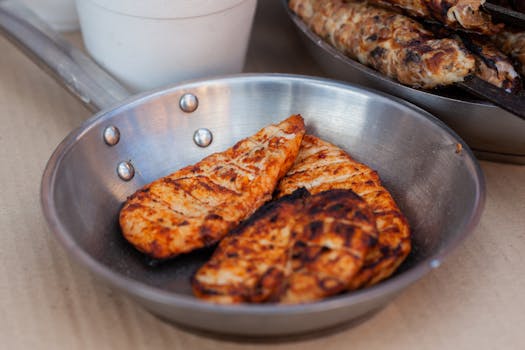
Chicken breast remains one of the best protein sources. Examples include chicken breast, turkey, lean beef, lean pork and reduced-fat mince. These provide high-quality complete protein while remaining relatively low in calories.
Fish
Fish offers both protein and important healthy fats. Excellent choices include salmon, tuna, cod, haddock, mackerel and sardines. Oily fish also contributes beneficial omega-3 fatty acids.
Eggs
Eggs remain one of the most versatile protein foods available. One medium egg contains approximately 6g of protein, making them ideal for breakfast, lunches or snacks.
Dairy
High-protein dairy products include Greek yoghurt, cottage cheese, Skyr, milk and reduced-fat cheese. Greek yoghurt and Skyr provide particularly impressive protein levels while remaining relatively low in calories.
Plant-Based Protein
Vegetarians and vegans have plenty of excellent options, including lentils, chickpeas, kidney beans, black beans, butter beans, tofu, tempeh, Quorn and edamame. Combining a variety of plant proteins throughout the day provides all the essential amino acids your body needs.
Nuts and Seeds
Although more calorie-dense, nuts and seeds make excellent snacks. Examples include almonds, walnuts, pumpkin seeds, chia seeds and peanuts. They also provide fibre and healthy fats.
High Protein Foods and Their Protein Content
| Food | Portion | Protein |
|---|---|---|
| Chicken breast | 150g | 45g |
| Salmon | 150g | 34g |
| Greek yoghurt | 200g | 20g |
| Cottage cheese | 200g | 24g |
| Skyr | 170g | 18g |
| Eggs | 2 | 12g |
| Tuna | 1 tin | 30g |
| Tofu | 150g | 18g |
| Lentils (cooked) | 200g | 18g |
| Milk | 250ml | 9g |
Sample High Protein Meal Plan UK
Monday
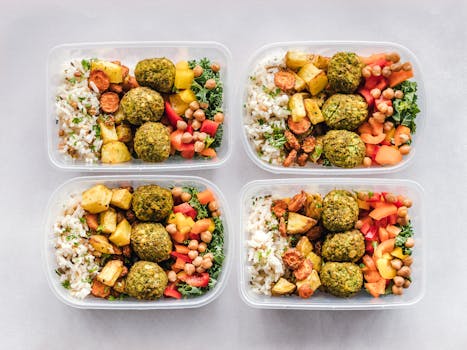
- Breakfast: Greek yoghurt with berries and oats
- Lunch: Chicken salad wrap
- Snack: Cottage cheese with pineapple
- Dinner: Grilled salmon with potatoes and broccoli
Approximate protein: 110g
Tuesday
- Breakfast: Three scrambled eggs on wholemeal toast
- Lunch: Tuna pasta salad
- Snack: Protein yoghurt
- Dinner: Turkey chilli with rice
Approximate protein: 105g
Wednesday
- Breakfast: Overnight oats with Skyr
- Lunch: Chicken and quinoa salad
- Snack: Boiled eggs
- Dinner: Lean beef stir fry
Approximate protein: 112g
The same principles can be repeated across the rest of the week by rotating protein sources to maintain variety. Mealiv can automate this process by generating a complete weekly meal plan based on your preferred calorie and protein targets.
High Protein Breakfast Ideas
Breakfast is often the meal with the least protein, making it the easiest place to improve your diet. Popular options include:
- Greek yoghurt with fruit
- Eggs on toast
- Cottage cheese with berries
- Protein porridge
- Breakfast burritos
- Overnight oats
- Smoked salmon and eggs
- Skyr with granola
For more ideas, read our full guide to high protein breakfast ideas.
High Protein Lunch Ideas
Simple lunches include:
- Chicken salad
- Tuna pasta
- Egg wraps
- Turkey sandwiches
- Lentil soup
- Quinoa bowls
- Leftover chilli
- Chickpea salads
See more in our guide to high protein lunch ideas.
High Protein Dinner Ideas
Protein-rich evening meals include:
- Chicken curry
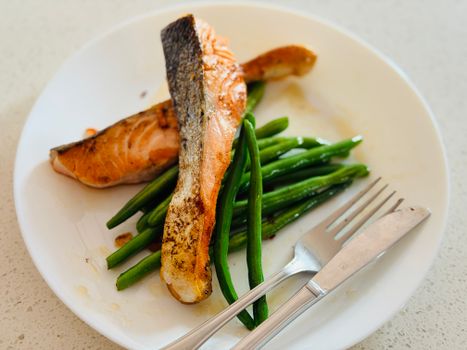
- Salmon with vegetables
- Turkey meatballs
- Lean beef chilli
- Pork tenderloin
- Tofu stir fry
- Fish pie
- Cottage pie made with lean mince
Browse hundreds more protein-rich recipes — and generate your own from what you fancy — in the Mealiv Cook hub, or explore our full high protein meals guide.
High Protein Snacks
Adding one or two protein-rich snacks makes reaching your daily target much easier. Good options include:
- Greek yoghurt
- Cottage cheese
- Boiled eggs
- Beef jerky
- Protein puddings
- Edamame beans
- Roasted chickpeas
- Mixed nuts
For a full list, see our guide to high protein snacks.
Shopping for a High Protein Meal Plan
You don't need specialist products or expensive ingredients. Most UK supermarkets stock everything required.
Protein
- Chicken breast
- Eggs
- Greek yoghurt
- Cottage cheese
- Salmon
- Tuna
- Turkey mince
- Tofu
- Lentils
- Beans
Carbohydrates
- Potatoes
- Brown rice
- Wholemeal pasta
- Oats
- Quinoa
Vegetables
- Broccoli
- Spinach
- Mixed peppers
- Tomatoes
- Carrots
- Green beans
Healthy Fats
- Olive oil
- Avocados
- Nuts
- Seeds
Planning your shopping list before visiting the supermarket helps reduce impulse purchases and makes sticking to your nutrition goals much easier. Mealiv builds your shopping list automatically from your plan — every ingredient added with one click.
Can a High Protein Diet Help with Weight Loss?
Yes, although protein is not a magic solution. A higher protein intake can support weight loss by:
- Reducing hunger
- Increasing feelings of fullness
- Helping preserve muscle during calorie restriction
- Increasing calorie expenditure slightly through digestion
Weight loss still depends on maintaining an appropriate calorie intake, but a higher-protein diet often makes this easier because meals are more satisfying.
Common Mistakes to Avoid
Many people unintentionally make these mistakes when increasing their protein intake.
Eating Most of Your Protein at Dinner
Instead, spread protein across every meal to maximise its benefits.
Skipping a High-Protein Breakfast
Starting the day with around 20–30g of protein can help manage appetite for the rest of the day.
Relying Too Much on Protein Shakes
Whole foods provide vitamins, minerals and fibre alongside protein.
Forgetting Vegetables
Protein should complement a balanced diet, not replace vegetables.
Eating Too Little Overall
Very low-calorie diets can make it difficult to consume enough protein to support your health.
Using Meal Planning to Reach Your Protein Goal
One of the biggest challenges isn't knowing what to eat — it's deciding every single day. A meal planner removes that decision fatigue by creating a week's worth of breakfasts, lunches, dinners and snacks that match your calorie and protein goals.
If you're eating this way to build muscle rather than simply to hit a protein number, macros for muscle gain covers how carbohydrates and fats fit around the training.
Mealiv can help you:
- Build personalised high-protein meal plans
- Adjust recipes around your dietary preferences
- Generate automatic shopping lists
- Track your daily protein intake on your Today dashboard
- Stay consistent week after week
Rather than calculating protein manually, you can focus on enjoying your meals while staying on track.
Frequently Asked Questions
How much protein should I eat each day?
The UK recommendation is 0.75g per kilogram of body weight. However, people aiming for weight loss or muscle maintenance often benefit from higher intakes, typically around 1.2–1.6g per kilogram depending on their goals and activity levels.
Can I eat too much protein?
For most healthy adults, moderately increasing protein intake is considered safe. If you have kidney disease or another medical condition, speak to your GP or a registered dietitian before making major dietary changes.
What are the best protein foods for weight loss?
Lean protein sources such as chicken breast, turkey, white fish, Greek yoghurt, Skyr, cottage cheese, tofu and lentils provide plenty of protein while helping to keep calories under control.
Is a high-protein diet suitable for vegetarians?
Yes. Eggs, dairy, tofu, Quorn, lentils, chickpeas, beans and other pulses make it easy to meet your protein targets without eating meat.
Do I need protein powder?
Not necessarily. Most people can meet their protein requirements through everyday foods. Protein powders can be convenient but are best viewed as a supplement rather than a replacement for a balanced diet.
Final Thoughts
Following a high protein meal plan UK doesn't require expensive supplements or complicated recipes. By including a quality protein source at every meal, choosing lean ingredients where possible and planning ahead, you can comfortably meet your daily protein target while supporting weight management, muscle maintenance and long-term health.
Once you have a plan in place, the challenge becomes doing it consistently. Our guide to how to hit your protein goals every day covers the habits that make the difference — spreading protein across your meals, upgrading your snacks and preparing food in advance.
If you want to make the process even easier, Mealiv's High Protein Meal Planner can create personalised weekly meal plans, generate shopping lists and help you track your protein intake automatically, taking the guesswork out of healthy eating.