Healthy Eating: Your Complete Guide to Eating Well
Healthy eating is not about strict diets, cutting out food you love, or following whatever nutrition trend is currently doing the rounds. It is about building habits that fuel your body, improve how you feel, and survive contact with an ordinary week.
Whether the goal is losing weight, building muscle, having more energy or simply feeling better, a balanced diet is one of the most effective things you can do for your long-term health — and one of the least complicated, once the noise is stripped out.
Mealiv makes it easier by putting personalised meal planning, nutrition tracking, AI food guidance, recipe analysis and automatic shopping lists in one place.
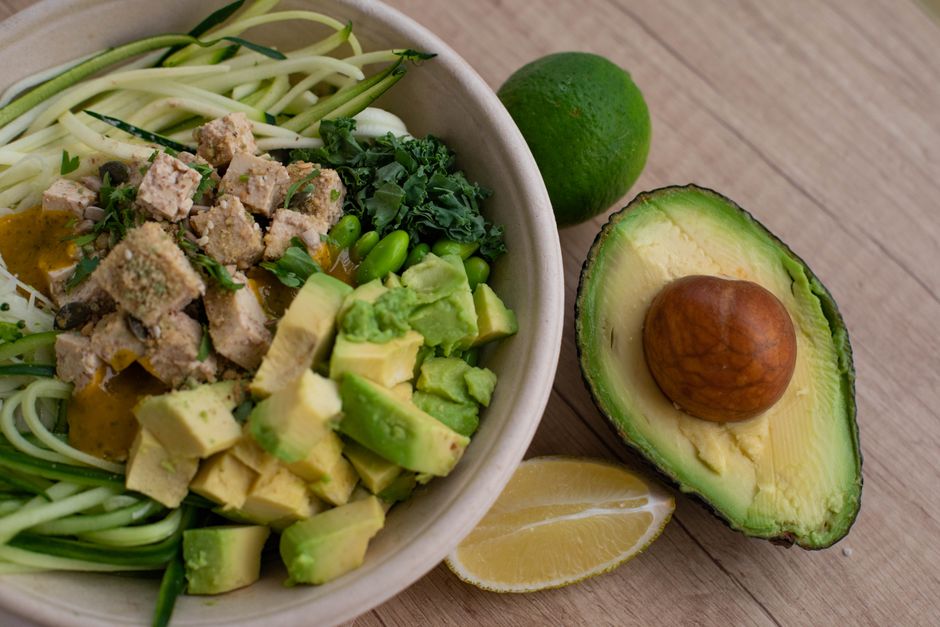
What healthy eating actually means
Eating a variety of nutrient-rich food that gives your body the energy, vitamins, minerals and macronutrients it needs to work properly. That is the whole definition. Everything else is detail.
A healthy diet generally includes:
- Plenty of vegetables and fruit
- Wholegrains
- Lean protein
- Healthy fats
- Dairy or fortified alternatives
- Plenty of water
And rather less highly processed food and added sugar than most of us currently eat.
Small improvements made consistently beat short-term dieting almost every time. This is the least exciting fact in nutrition and by some distance the most useful one.
The benefits
Eating well affects more than your weight. Over time it may help you:
- Maintain a healthy weight
- Have more energy day to day
- Concentrate better
- Support muscle growth and recovery
- Reduce the risk of heart disease
- Improve blood sugar control
- Lower cholesterol
- Support digestive health
- Strengthen immune function
- Sleep better
- Feel better mentally
Worth being honest about the wording: these are associations observed across large populations over long periods, not guarantees for any one person. Diet is one input among many. It is a substantial one, and it is among the few you control directly.
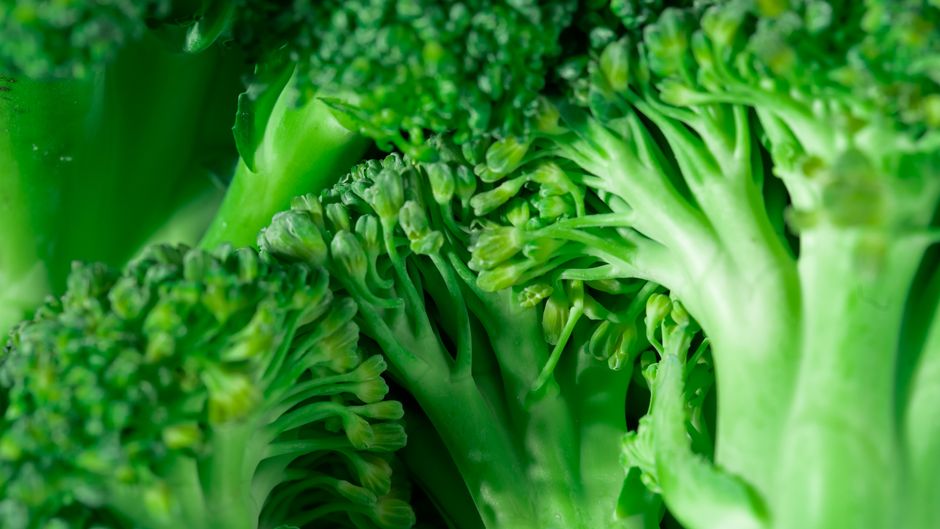
What a healthy plate looks like
The simplest method that works, and the one you can apply without weighing anything: divide the plate.
Plus a small portion of healthy fats — olive oil, nuts, seeds or avocado.
Meals built this way tend to be filling, nutritionally complete and easy to keep up, which matters more than precision. In practice it looks like:
- Grilled chicken with brown rice and roasted vegetables
- Salmon with sweet potato and broccoli
- Lentil curry with wholegrain rice
- A Mediterranean chicken salad
- Overnight oats with berries and Greek yoghurt
If that style of eating appeals, the Mediterranean diet is essentially this plate applied consistently, and it is among the most studied eating patterns there is.
You do not have to give up food you love
The biggest myth in this area is that healthy eating means eating perfectly. It does not, and the belief itself causes damage — people abandon an entire approach over one takeaway, which makes no sense on any timescale that matters.
Pizza, chocolate and pudding do not need eliminating. What helps is:
- eating nutritious food most of the time
- choosing whole foods more often than not
- enjoying treats without turning it into a moral event
- building habits you can still be doing in five years
Consistency beats perfection. A diet followed imperfectly for a year does more than one followed precisely for three weeks.
Why meal planning does the heavy lifting
Most people do not struggle because they lack nutrition knowledge. They struggle because it is half past six, nothing is defrosted, and a decision has to be made now. Planning removes that moment entirely.
Planning ahead helps you:
- Waste less food
- Spend less money
- Order fewer takeaways
- Eat more vegetables
- Hit calorie and protein goals
- Stop deciding daily
Mealiv builds plans around your calorie target, dietary preferences, allergies, cooking time and goals, and adapts them as those change. There is a full worked example on the healthy eating plan page.
Make the shopping easier
Healthy eating starts before you cook. What is in the kitchen on Wednesday evening was decided on Saturday morning, and no amount of resolve at the fridge door changes that.
Mealiv builds the shopping list from your plan and exports it to Tesco, Asda and Sainsbury's. It also tracks your pantry, so recipes get suggested around what you already own — less waste, smaller bill, fewer decisions.
Understand what you are actually eating
Plenty of people know what they eat without knowing whether it meets their needs. Those are different questions, and only one of them is answered by a calorie count.
Mealiv reports:
- Calories
- Protein
- Carbohydrates
- Fat
- Fibre
- Vitamins
- Minerals
- Food Quality Score
The Food Quality Score is the part that goes beyond counting: it looks at how processed and how nutrient-dense your food is, then points at the change that would help most. Two days can hit an identical calorie target and be nothing alike.
Personalised guidance
Everyone's goals differ, which is why generic advice tends to bounce off. Mealiv's AI nutrition assistant works from your lifestyle, preferences and dietary needs to help you improve meal choices, get more protein or fibre, cut down on processed food, find sensible swaps, and answer the questions that come up mid-week.
It makes the whole thing feel manageable rather than like homework.
Free nutrition tools
A growing set of calculators, free to use and no account needed:
Where to start
If you are beginning, keep it simple. Pick two of these, not ten:
- Add vegetables to every meal.
- Choose wholegrain carbohydrates where you can.
- Include protein with each meal.
- Drink more water.
- Prepare meals in advance.
- Cut back on sugary drinks.
- Read nutrition labels.
- Snack on fruit, yoghurt or nuts.
- Cook at home more often.
- Aim for consistency rather than perfection.
Small improvements every week become habits surprisingly quickly. There is a fuller walk-through on healthy eating for beginners.
Frequently asked questions
What is healthy eating?
Eating a balanced variety of food that provides the nutrients your body needs while supporting long-term health. It is defined by balance and consistency, not restriction.
Do I need to cut out carbohydrates?
No. Wholegrain carbohydrates provide energy, fibre and nutrients you would otherwise have to find elsewhere. Portion size and the type you pick matter far more than removing them.
Can healthy eating help with weight loss?
Yes, within an appropriate calorie intake. The calorie intake is the mechanism; the quality of the food is what makes sticking to it possible.
Is healthy eating expensive?
Not necessarily, and often the reverse. Planning meals, buying seasonal produce, using frozen vegetables and tinned pulses, wasting less and cooking at home usually bring the bill down.
How can Mealiv help me eat healthier?
By combining meal planning, nutrition tracking, shopping lists, pantry management, recipe analysis and free calculators, so the healthier option is also the easier one.