Food Diary: How to Track Your Meals, Nutrition and Eating Habits
A food diary is a record of the foods and drinks you consume throughout the day. Traditionally, people used notebooks or printed journals to track their meals, snacks and drinks. Today, digital food diaries make the process much easier by allowing you to log meals, monitor nutrition and identify patterns in your eating habits.
Whether your goal is to lose weight, build muscle, improve your nutrition or simply become more mindful of what you eat, keeping a food diary can help you make better decisions and stay accountable.
Why Keep a Food Diary?
Many people underestimate how much they eat or forget about snacks, drinks and small portions throughout the day. A food diary helps create awareness and provides a clear picture of your eating habits.
Benefits of keeping a food diary include:
- Understanding your daily calorie intake
- Tracking protein, carbohydrates and fats
- Identifying unhealthy eating patterns
- Supporting weight loss goals
- Improving nutritional balance
- Monitoring specific diets and food preferences
- Staying accountable to health and fitness goals
Research consistently shows that people who track their food intake are more likely to achieve their health and nutrition goals than those who do not.
What Should You Record in a Food Diary?
A useful food diary should include:
Meals
Record breakfast, lunch, dinner and snacks.
Drinks
Include water, tea, coffee, soft drinks and alcohol.
Portion Sizes
Understanding portion sizes helps improve nutritional accuracy.
Nutritional Information
Where possible, record:
- Calories
- Protein
- Carbohydrates
- Fat
- Fibre
Notes and Observations
Many people also track:
- Hunger levels
- Energy levels
- Mood
- Cravings
These can help identify patterns between nutrition and wellbeing.
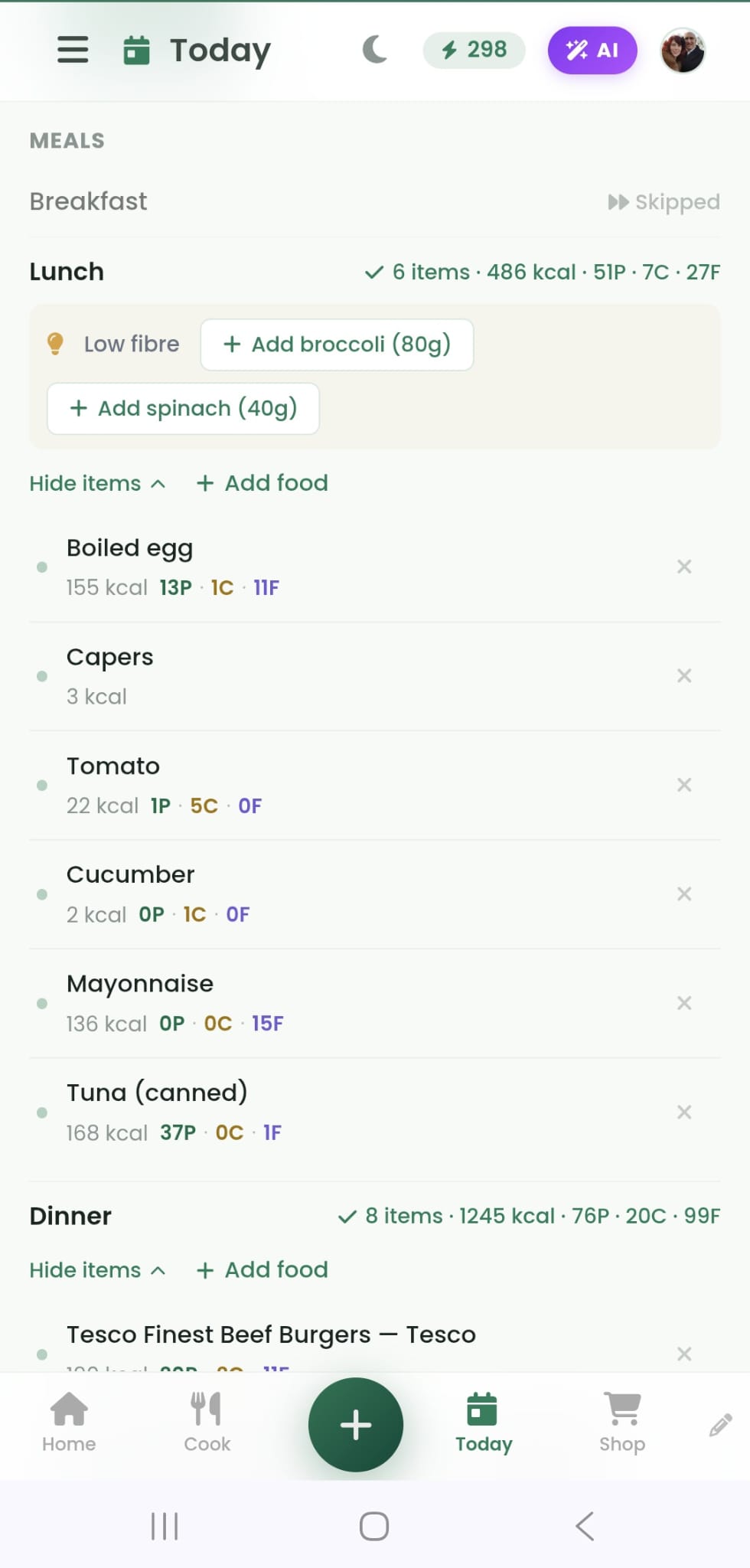
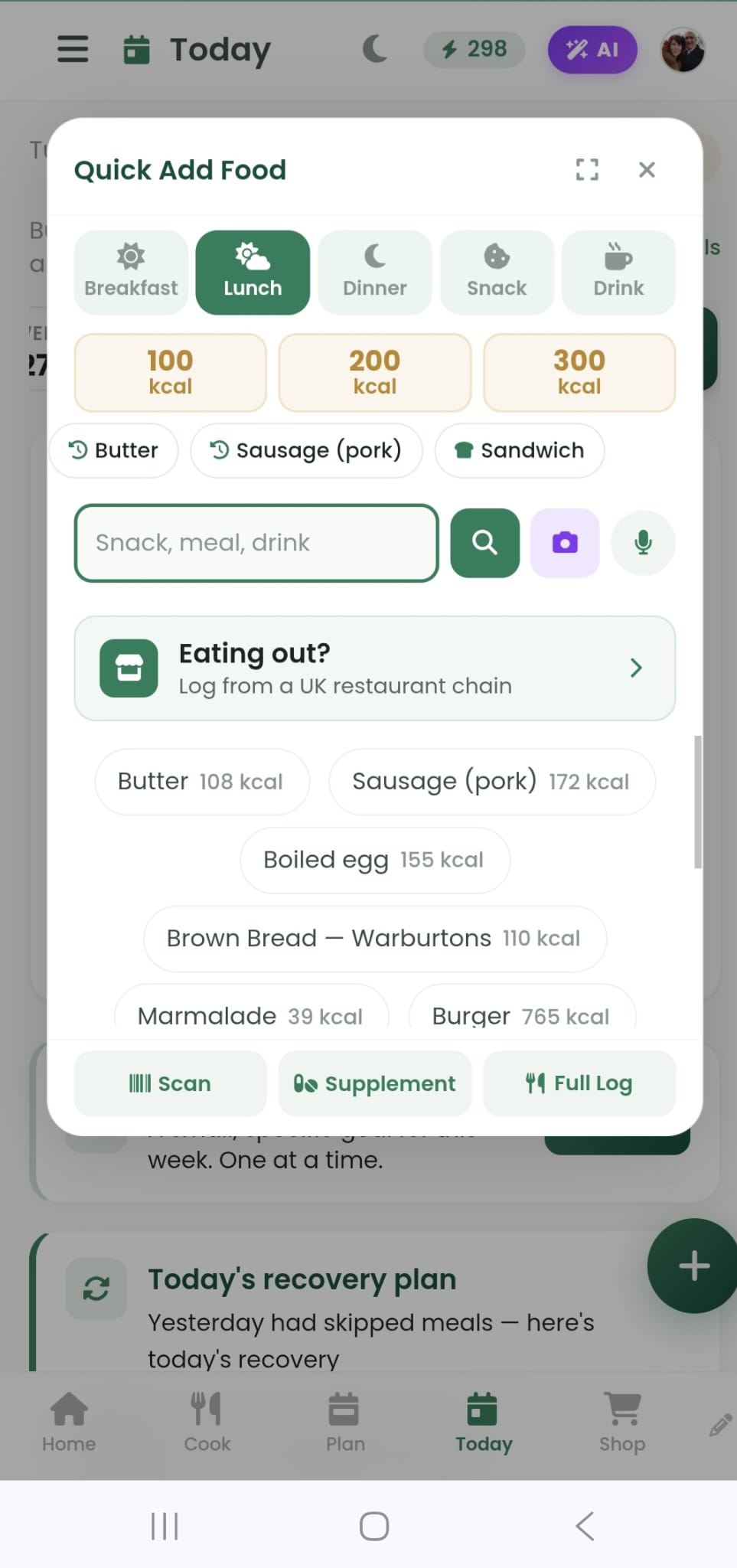
See How a Digital Food Diary Works
Rather than manually writing down meals in a notebook, digital food diaries allow you to log meals, monitor nutrition and review your progress throughout the day. Here's how Mealiv helps you track food and stay on top of your goals.
Example Food Diary
Breakfast
Greek yoghurt with berries
- Calories: 280
- Protein: 22g
Lunch
Chicken salad with mixed vegetables
- Calories: 520
- Protein: 38g
Dinner
Salmon, rice and broccoli
- Calories: 640
- Protein: 42g
Snacks
Protein bar and apple
- Calories: 290
- Protein: 21g
Daily Total
- Calories: 1,730
- Protein: 123g
This type of information provides a much clearer picture of your diet than simply remembering what you ate.
Paper Food Diaries vs Digital Food Diaries
Many people start with a paper food diary because it is simple and inexpensive. However, manually recording meals and calculating nutrition can quickly become time-consuming.
Paper Food Diary
Pros
- Easy to start
- No technology required
Cons
- Time-consuming
- Difficult to analyse nutrition
- Easy to forget entries
- No automatic calculations
Digital Food Diary
Pros
- Quick food logging
- Automatic nutritional analysis
- Progress tracking
- Goal monitoring
- Accessible anywhere
Cons
- Requires a device
For most people, digital food diaries offer a more sustainable way to track food intake over the long term.
Common Food Diary Mistakes
Only Logging "Good" Days
Accurate tracking provides the most value. Logging every day helps reveal genuine patterns.
Ignoring Snacks
Small snacks can add significant calories throughout the week.
Not Recording Drinks
Sugary drinks, alcohol and speciality coffees can contribute substantial calories.
Focusing Only on Calories
Nutrition quality matters too. Protein, fibre and overall dietary balance are equally important.
How Mealiv Helps You Keep a Food Diary
Mealiv combines food tracking with meal planning and nutrition guidance in a single platform.
Instead of simply recording what you've eaten, Mealiv helps you understand how your food choices align with your goals.
With Mealiv you can:
- Log meals and snacks throughout the day
- Monitor calories and nutrition
- Track protein, carbohydrates and fats
- Compare actual intake against your goals
- Receive suggestions to improve nutritional balance
- Plan future meals based on your targets
- Create shopping lists from meal plans
This creates a complete food management system rather than just a basic food diary.
Food Diary FAQs
Is keeping a food diary effective for weight loss?
Yes. Food diaries increase awareness of eating habits and can help people identify opportunities to reduce calorie intake and improve nutritional quality.
How often should I update my food diary?
Ideally, meals should be logged as they are consumed to improve accuracy and consistency.
What is the difference between a food diary and a calorie tracker?
A calorie tracker focuses primarily on calories, while a food diary can include meals, nutrition, habits, mood and observations.
Can a food diary help improve nutrition?
Yes. Tracking food intake makes it easier to identify nutritional gaps and maintain a balanced diet.
Is a digital food diary better than a paper food diary?
For most people, digital food diaries are easier to maintain because calculations, tracking and analysis are automated.
Start Tracking Your Food More Effectively
A food diary is one of the simplest and most effective tools for improving nutrition, supporting weight management and building healthier habits.
Mealiv combines food tracking, meal planning, shopping lists and nutrition guidance to help you stay organised and make better food decisions every day.