How to Hit Your Protein Goals Every Day
Getting enough protein every day is one of the biggest nutrition challenges people face, which is why so many people search for how to hit your protein goals every day. Whether your goal is building muscle, losing weight, improving your fitness or simply eating a healthier diet, consistently reaching your protein target can feel difficult. The good news is that you do not need expensive supplements or restrictive diets. With the right foods, a simple meal plan and a few smart habits, you can consistently reach your daily protein target and build healthier eating habits that last.
The good news is that you do not need expensive supplements, restrictive diets or complicated meal plans. By choosing the right foods, spreading protein throughout the day and planning meals in advance, hitting your protein goals becomes surprisingly straightforward.
In this guide you'll learn exactly how to hit your protein goals every day, discover the best high-protein foods, and find practical tips that make reaching your daily protein intake much easier.

This guide is part of our complete high protein meal plan UK series — start there for weekly menus and targets, then use the habits below to hit those numbers day after day.
Why Protein Matters
Protein is one of the three essential macronutrients and is involved in almost every process within your body.
It helps:
- Build and repair muscle tissue
- Support healthy bones
- Produce enzymes and hormones
- Maintain your immune system
- Keep you feeling fuller for longer
- Reduce unnecessary snacking
- Support weight loss by preserving lean muscle
Eating enough protein is particularly important if you exercise regularly, are trying to lose body fat or are getting older, as muscle mass naturally declines with age.
One of protein's biggest benefits is satiety. Protein-rich meals help you stay full for longer than meals high in refined carbohydrates, making it easier to stick to your calorie goals without constantly feeling hungry.
How Much Protein Do You Need Each Day?
There isn't one single answer because your ideal protein intake depends on your body weight, activity level and goals.
General guidance is:
| Goal | Daily protein |
|---|---|
| General health | 0.75–1g per kg body weight |
| Active lifestyle | 1.2–1.6g per kg |
| Building muscle | 1.6–2.2g per kg |
| Losing weight while preserving muscle | 1.6–2.4g per kg |
For example:
- 70kg person = 110–150g
- 80kg person = 130–175g
- 90kg person = 145–200g
Rather than trying to eat all your protein in one meal, spread it across the day.
Many nutrition experts recommend aiming for 25–40g of protein per meal, depending on your overall daily target. If you'd like your own figure worked out, our protein calculator does it from your weight, activity level and goal.
The Easiest Way to Hit Your Protein Goals
Instead of worrying about every gram, follow a simple structure.
If your goal is around 160g per day, split it into four protein-rich meals containing roughly 40g each.
For example:
Breakfast
- Greek yogurt
- Berries
- Mixed seeds
- Protein granola
≈40g protein
Lunch
- Chicken breast
- Rice
- Vegetables
≈40g protein
Dinner
- Salmon
- Potatoes
- Green vegetables
≈40g protein
Evening snack
- Cottage cheese
- Mixed nuts
≈35–40g protein
This approach is much easier than trying to "catch up" later in the day. For more worked examples at each slot, see our guides to high protein breakfasts, high protein lunch ideas and high protein meals.
Choose High-Protein Foods at Every Meal
The simplest habit is asking one question whenever you eat:
"Where is my protein coming from?"
Excellent protein sources include:
Animal proteins
- Chicken breast
- Turkey
- Lean beef
- Tuna
- Salmon
- Eggs
- Cottage cheese
- Greek yogurt
- Milk
Plant proteins
- Lentils
- Chickpeas
- Beans
- Tofu
- Tempeh
- Edamame
- Quinoa
These foods provide plenty of protein while also supplying important vitamins and minerals.
Start with a High-Protein Breakfast
Breakfast is often where people miss out.
Sugary cereals, toast and pastries provide very little protein, meaning you're hungry again a couple of hours later.
Instead try:
- Greek yogurt with berries and seeds
- Eggs on wholemeal toast
- Cottage cheese with fruit
- Protein oats
- Smoothies made with milk and yogurt
A breakfast containing around 30–40g of protein helps control hunger and makes reaching your daily target much easier. Our high protein breakfast guide has more ideas with the protein counted for you.
Upgrade Your Snacks
Small changes can make a surprisingly big difference.
Instead of:
- Crisps
- Biscuits
- Chocolate bars
Choose:
- Boiled eggs
- Greek yogurt
- Cottage cheese
- Babybel or reduced-fat cheese
- Mixed nuts
- Roasted chickpeas
- Edamame
- Beef jerky
These snacks contribute meaningful amounts of protein while helping keep you satisfied between meals. There are plenty more in our high protein snacks guide.
Don't Forget Plant Protein
You don't have to eat meat to hit your protein goals.
Vegetarians and vegans can comfortably reach their targets by including a variety of plant proteins throughout the day.
Good combinations include:
- Beans with rice
- Lentils with wholemeal bread
- Hummus with wholemeal pitta
- Chickpea curry with brown rice
Eating a range of plant foods ensures you consume all the essential amino acids your body needs.
Meal Planning Makes Everything Easier
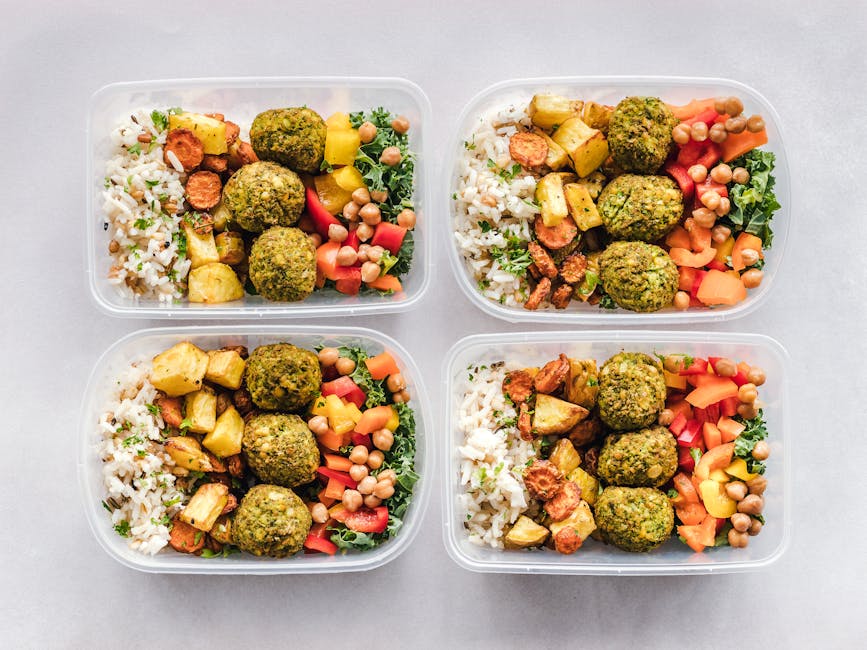
One of the biggest reasons people struggle to hit their protein goals isn't motivation—it's preparation.
When there's no plan, it's easy to reach for convenient, lower-protein foods.
Simple meal prep can save hours during the week:
- Cook chicken in batches
- Hard-boil eggs
- Portion Greek yogurt
- Prepare overnight oats
- Freeze cooked meals
- Keep protein-rich snacks available
Having protein ready to eat removes much of the daily decision-making. Our high protein meal prep guide walks through a full batch-cooking session step by step.
Track Your Protein Intake

Many people underestimate how much—or how little—protein they actually eat.
Tracking your meals for just a week can highlight patterns and make it easier to identify where improvements are needed.
Apps like Mealiv automatically calculate your protein intake as you log meals, helping you see whether you're on track throughout the day. You can also generate personalised meal plans, build shopping lists and discover protein-rich recipes based on your goals, making it much easier to consistently reach your daily protein target.
Common Mistakes That Stop People Reaching Their Protein Goals
Skipping breakfast
Missing protein early in the day leaves too much to make up later.
Eating most of your protein at dinner
Spreading protein evenly across the day supports muscle maintenance and helps control appetite.
Not planning meals
Without preparation, convenience foods usually win.
Forgetting snacks count
The right snacks can contribute 20–40g of protein across the day.
Assuming you need supplements
Protein powders can be useful, but most people can comfortably meet their goals using everyday foods.
Frequently Asked Questions
How can I hit my protein goals every day?
Plan your meals in advance, include a protein source at every meal, prepare high-protein snacks and spread your intake evenly throughout the day. Tracking your meals can also help you stay consistent.
What foods are highest in protein?
Chicken breast, turkey, lean beef, salmon, tuna, eggs, Greek yogurt, cottage cheese, tofu, lentils, chickpeas and edamame are all excellent high-protein foods.
Do I need protein powder?
No. Most people can comfortably reach their protein goals using whole foods. Protein powders are simply a convenient option when you're short on time or need an easy way to increase your intake.
Is 150g of protein a day too much?
For active individuals, 150g per day can be entirely appropriate, depending on body weight and goals. Someone weighing around 80–90kg who exercises regularly may require this amount to support muscle maintenance or growth.
Is it better to eat protein throughout the day?
Yes. Spreading protein across three or four meals is generally considered more effective than consuming most of it in one sitting. It also helps manage hunger and makes your daily target easier to achieve.
Start Reaching Your Protein Goals Today

Hitting your protein goals doesn't require perfection—it requires consistency. By building every meal around a quality protein source, preparing food in advance and making smarter snack choices, you'll find it much easier to meet your daily target.
If you'd like even more support, Mealiv can generate personalised high-protein meal plans, automatically track your protein intake, create shopping lists and recommend recipes that fit your calorie and nutrition goals, helping you build sustainable habits without the guesswork.