1500 Calorie High Protein Meal Plan for Weight Loss and Muscle Maintenance
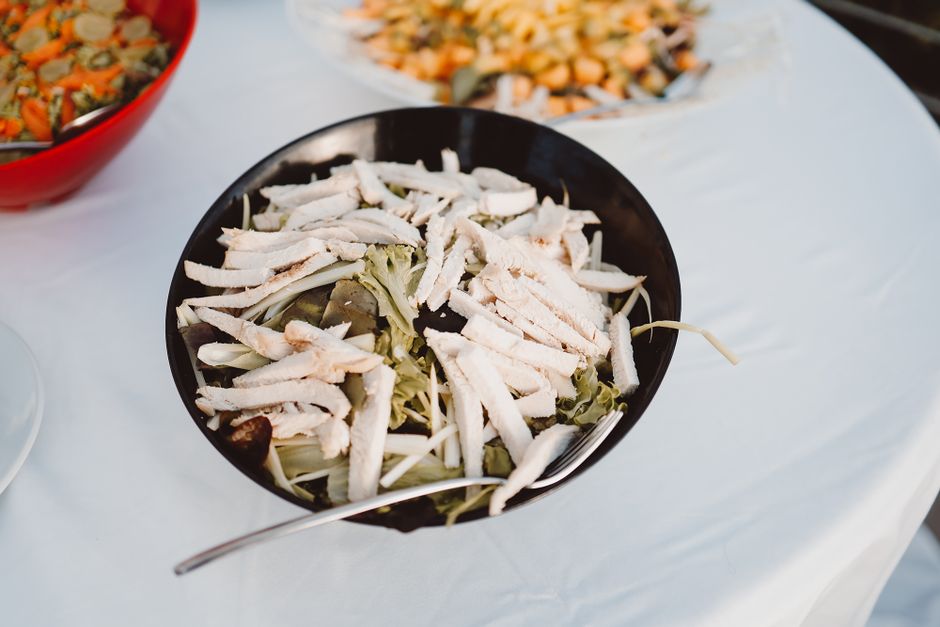
A 1500 calorie high protein meal plan can be an effective tool for healthy weight loss while helping you preserve muscle mass and stay full between meals. Many dietitian-approved plans aim for a weekly loss of 1–2 pounds, which is considered a safe and sustainable rate for most adults. Because protein is more satiating than carbohydrate or fat, bumping up your intake within a controlled calorie deficit can make sticking to your goals much easier.
This guide is the high-protein companion to our complete 1500 calorie meal plan — here we focus on how to make those same calories work harder by raising protein. Below we look at what a typical 1500 calorie high protein meal plan includes, how much protein you should aim for, and which foods feature most often. The numbers and examples come from published plans by registered dietitians and reputable health organisations.
How Much Protein in a 1500 Calorie High Protein Meal Plan?
The amount of protein varies depending on the source and the specific goals of the plan. Some plans are designed for general health and weight loss, while others are tailored for muscle gain or athletic performance. Here is a comparison of protein targets from several published 1500 calorie meal plans.
| Source | Daily Protein (grams) | Notes |
|---|---|---|
| EatingWell (dietitian-created, updated March 2026) | At least 76 g (range 76–102 g) | Designed for healthy weight loss of 1–2 lbs per week |
| Strongrfastr | 142 g | High-protein plan aimed at muscle retention and satiety |
| YouTube fitness coach (Michelle Roots) | Approximately 130 g | Sample deficit plan; also ~120 g carbs, under 60 g fat, over 30 g fibre |
| Diabetes UK | Not specified | Carb-counted plan with at least five portions of fruit and veg per day |
As the table shows, there is no single “right” protein number. A plan with 76–102 g may suit someone new to higher-protein eating, while a plan with 130–142 g is better suited to those with higher muscle-building demands. The Diabetes UK plan does not advertise itself as high protein, but it provides a balanced approach with calorie and carbohydrate counting for people managing diabetes.
Not sure where you sit? Our protein calculator turns your body weight, activity level and goal into a daily gram target, and the calorie calculator helps you confirm whether 1,500 calories is the right ceiling for you in the first place.
What to Eat on a 1500 Calorie High Protein Meal Plan
Lean Protein Sources
Most high-protein plans rely on lean meats, poultry, fish, eggs, and dairy. Common choices include chicken breast, turkey, salmon, cod, Greek yogurt, cottage cheese, and eggs. Plant-based options such as tofu, tempeh, lentils, and chickpeas also work well and can be included in a 1500-calorie budget. For ready-made ideas, browse Mealiv's high-protein meals.
Non-Starchy Vegetables
To keep calories low and nutrients high, plans often feature generous servings of non-starchy vegetables. According to Healthline, suitable options include kale, spinach, broccoli, cauliflower, peppers, mushrooms, asparagus, and tomatoes. These vegetables provide fibre, vitamins, and volume without driving up the calorie count.
Healthy Fats and Complex Carbohydrates
A small amount of healthy fat from sources like avocado, olive oil, nuts, and seeds helps with nutrient absorption and flavour. Complex carbohydrates such as quinoa, brown rice, sweet potatoes, and oats appear in moderate portions to sustain energy levels. The YouTube sample plan by Michelle Roots, for instance, includes approximately 120 g of carbohydrates per day, with under 60 g of fat and over 30 g of fibre.
Sample Day from a 1500 Calorie High Protein Meal Plan
Below is an example day that falls within the macro ranges of several published plans. It combines about 130 g of protein with moderate carbohydrates and lower fat. Adjust portion sizes to match your own targets.
| Meal | Foods | Approximate Protein |
|---|---|---|
| Breakfast | 2 scrambled eggs, 100 g spinach, 1 slice wholemeal toast | 20 g |
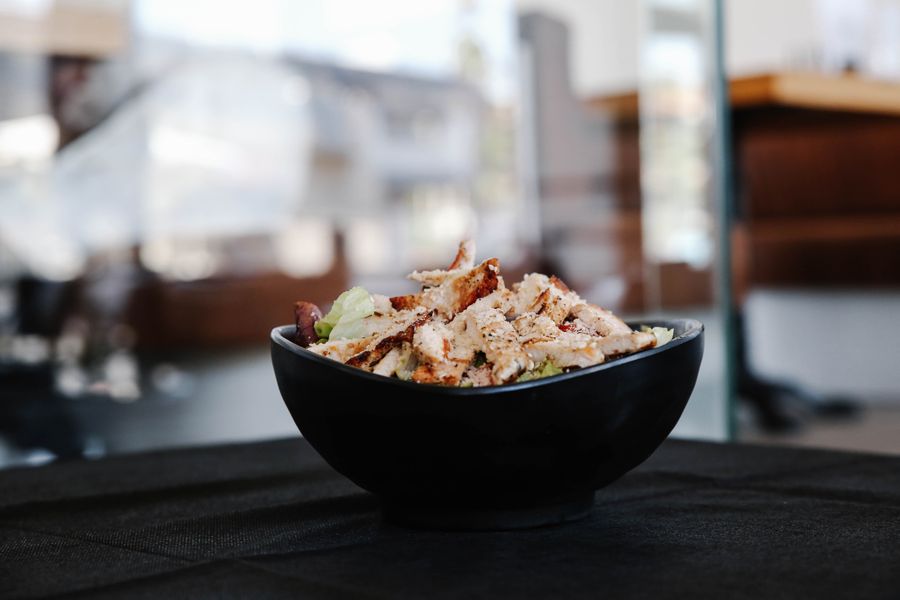
| Lunch | 150 g grilled chicken breast, large mixed salad with 1 tbsp olive oil, 100 g cherry tomatoes | 40 g |
| Snack | 150 g Greek yogurt (0% fat) with a handful of berries | 15 g |
| Dinner | 150 g baked salmon, 100 g steamed broccoli, 80 g quinoa | 40 g |
| Evening snack (optional) | 1 scoop protein powder with water or unsweetened almond milk | 25 g |
This day supplies roughly 140 g of protein while staying near 1,500 calories. It includes plenty of non-starchy vegetables, a moderate amount of complex carbs, and healthy fats from olive oil and salmon. If you prefer a lower protein target, you could drop the protein shake or use a smaller portion of chicken. In Mealiv, you can set your calorie ceiling to 1,500, pick a high-protein goal, and have a full week of meals like this generated around your tastes — then turn it straight into a shopping list.
Tips for Following a 1500 Calorie High Protein Meal Plan
Plan Your Meals Ahead
Meal planning reduces the mental load of deciding what to eat each day. A dedicated high-protein meal planner like Mealiv can generate personalised plans based on your calorie target and dietary preferences, build shopping lists, and adjust meals on the fly. This makes it easier to hit a high-protein intake without spending hours in the kitchen.
Include a Variety of Protein Sources
Relying on the same protein every day can become boring and may lead to nutrient gaps. Rotate between chicken, fish, eggs, dairy, legumes, and plant-based proteins to keep meals interesting and ensure you get a range of amino acids and micronutrients. If you need inspiration across the day, our high-protein breakfasts, lunch ideas and snacks are a good place to start.
Don't Forget Fibre
A 1500 calorie diet can sometimes lack fibre if you cut out too many carbohydrates. Aim for at least 25–30 g of fibre per day by including vegetables, fruits, whole grains, and legumes. The YouTube sample plan noted above includes over 30 g of fibre, which supports digestion and satiety.
Stay Hydrated
Water is essential for metabolism and can help control appetite. Drink plenty of water throughout the day, especially when increasing protein intake, as your kidneys need adequate fluid to process protein by-products.
Consult a Healthcare Professional
Before starting any 1500 calorie meal plan, speak with a GP or registered dietitian, particularly if you have a medical condition such as kidney disease or diabetes. A high-protein diet may not be appropriate for everyone, and individual calorie needs vary based on age, sex, activity level, and health status.
Track Your Plan as You Go
Building the plan is only half the job — following it is where results come from. Once your week is set, Mealiv works as a calorie tracker so you can log meals against your 1,500 calorie target, while the nutrition tracker keeps an eye on protein, carbs, fat and fibre. To see the bigger picture over the weeks, a weight loss tracker shows whether your deficit is actually moving the scale.
Frequently Asked Questions
Is a 1500 calorie high protein meal plan safe for everyone?
No. 1500 calories per day is not a universal number and may be too low for active individuals or those with higher energy needs. People with kidney disease, liver conditions, or certain metabolic disorders should consult a doctor before increasing protein intake. Always tailor any plan to your personal health situation.
Can I follow this plan if I am vegetarian or vegan?
Yes. Plant-based protein sources such as tofu, tempeh, lentils, chickpeas, seitan, and edamame can easily fit into a 1500-calorie high-protein plan. You may need to combine different plant proteins to meet your amino acid needs, and pay attention to vitamin B12 and iron intake.
How much weight can I lose on a 1500 calorie high protein meal plan?
Dietitian-approved plans aim for a healthy loss of 1–2 pounds per week. Actual results depend on your starting weight, metabolism, activity level, and how consistently you follow the plan. Tracking your intake and weight with a weight loss tracker helps you see whether your deficit is on track. Rapid weight loss is not recommended and may lead to muscle loss or nutrient deficiencies.
Do I need to count macros on this plan?
Tracking your protein, carbohydrate, and fat intake can help you stay within your targets, but it is not mandatory for everyone. Many people find success by planning meals ahead and letting Mealiv log nutrition automatically. The key is to keep your protein high and your total calories around 1,500.
A 1500 calorie high protein meal plan can be a practical way to lose weight, preserve muscle, and feel satisfied. By choosing lean proteins, plenty of vegetables, and moderate amounts of healthy carbs and fats, you can create a balanced approach that suits your lifestyle. Whether you follow a dietitian-created plan from EatingWell, a higher-protein option from Strongrfastr, or a personalised plan built with Mealiv, consistency and variety will help you reach your goals.