 Mealiv
High protein & weight loss
High Protein Low Calorie Meals: The Complete Guide for Healthy Eating and Weight Loss

High protein low calorie meals are one of the most effective ways to lose weight without constantly feeling hungry. By increasing protein while keeping calories under control, you can support muscle maintenance, improve satiety and make it easier to stick to a calorie deficit over time. Whether you're trying to lose weight, improve your fitness or simply eat healthier, choosing balanced high protein low calorie meals can make a significant difference.
Planning these meals every day can take time, which is why many people now use meal planning tools such as Mealiv to generate personalised meal plans, calculate nutrition automatically and build shopping lists in minutes. This guide sits alongside our wider high protein meals hub, which covers simple ways to increase your daily protein intake.
Why High Protein Low Calorie Meals Work
Protein is the most filling of the three macronutrients. Compared with carbohydrates and fats, protein helps you feel fuller for longer after eating.
Research has consistently shown that higher protein diets can:
- Reduce appetite
- Increase feelings of fullness
- Help preserve muscle during weight loss
- Slightly increase the calories your body burns digesting food
- Support recovery after exercise
When combined with a moderate calorie deficit, this creates an approach that is easier to maintain than many restrictive diets. Instead of focusing on eating less food, high protein low calorie meals allow you to eat satisfying portions while still managing your overall calorie intake.
What Counts as High Protein Low Calorie Meals?
There is no strict definition, but most nutrition professionals would consider a meal to be high protein and lower in calories if it contains:
- 20–40g of protein
- 300–600 calories
- Plenty of vegetables
- Moderate amounts of healthy fats
- Wholegrain or complex carbohydrates where appropriate
For example:
| Meal | Calories | Protein |
|---|---|---|
| Grilled chicken salad | 420 kcal | 38g |
| Salmon with vegetables | 510 kcal | 36g |
| Turkey chilli | 460 kcal | 35g |
| Greek yoghurt with berries | 260 kcal | 24g |
| Cottage cheese on wholemeal toast | 310 kcal | 27g |
The exact targets depend on your size, activity level and overall calorie goal.
Best High Protein Low Calorie Foods
Building meals becomes much easier when you know which ingredients provide the most protein for relatively few calories.
Lean meats
- Chicken breast
- Turkey breast
- Lean beef mince (5%)
- Pork tenderloin
Fish
- Cod
- Haddock
- Tuna
- Salmon
- Prawns
Dairy
- Fat-free Greek yoghurt
- Cottage cheese
- Skyr
- Reduced-fat milk
Eggs
Whole eggs are highly nutritious, while egg whites provide almost pure protein with very few calories.
Plant-based proteins
- Tofu
- Tempeh
- Lentils
- Chickpeas
- Edamame
- Beans
Healthy carbohydrates
Pair protein with:
- Brown rice
- Sweet potatoes
- Wholemeal pasta
- Quinoa
- Oats
These provide sustained energy alongside fibre. If you want to know exactly how much protein to aim for each day, a protein calculator gives you a personalised target based on your weight and activity level.
High Protein Low Calorie Meals for Weight Loss
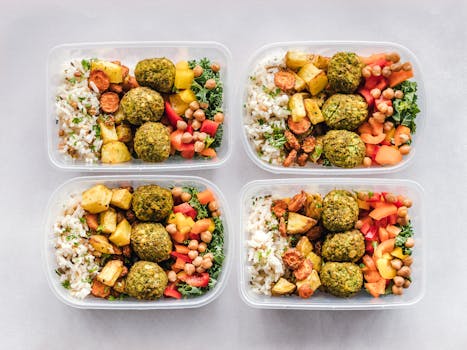
Weight loss ultimately depends on maintaining a calorie deficit, but protein makes that deficit much easier to sustain. A structured weekly meal plan for weight loss takes the guesswork out of hitting both your calorie and protein targets.
Breakfast
- Greek yoghurt
- Blueberries
- Oats
- Chia seeds
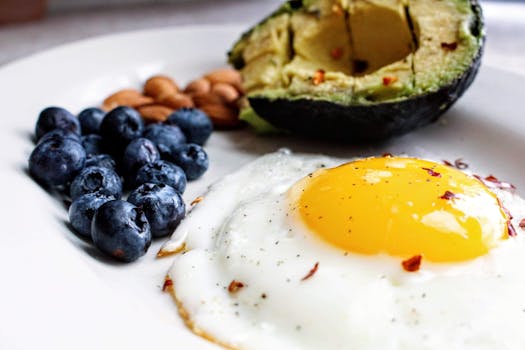
Around 350 calories with over 25g of protein. For more morning ideas, see our high protein breakfast guide.
Lunch
- Chicken breast
- Mixed salad
- Wholegrain wrap
- Light yoghurt dressing
Approximately 450 calories with around 35g protein — one of many options in our high protein lunch ideas.
Dinner
- Baked cod
- New potatoes
- Broccoli
- Green beans
Approximately 500 calories with around 40g protein.
Snacks
- Cottage cheese
- Protein yoghurt
- Boiled eggs
- Edamame
- Apple with reduced-fat cheese
These choices help control hunger between meals without dramatically increasing calorie intake. Our high protein snacks guide has plenty more low-calorie options.
High Protein Low Calorie Meals for Building Muscle
Protein isn't just useful for weight loss. If you're exercising regularly, resistance training creates tiny amounts of muscle damage which the body repairs using amino acids from dietary protein.
Aim to spread protein throughout the day rather than eating it all in one meal. For many active adults, consuming protein across breakfast, lunch, dinner and one or two snacks supports muscle recovery more effectively than having one large protein-rich meal. If you're training while keeping calories in check, our 1500 calorie high protein meal plan shows how to combine the two.
How Much Protein Do You Really Need?
The UK Reference Nutrient Intake for protein is around 0.75g per kilogram of body weight for most adults, but many people pursuing weight loss or strength training benefit from higher intakes.
General guidelines often suggest:
- Sedentary adults: 0.8g/kg
- Active adults: 1.2–1.6g/kg
- Resistance training: up to around 2.0g/kg
More isn't always better. Extremely high protein intakes offer little additional benefit for most people and should still fit within a balanced diet.
How to Plan High Protein Low Calorie Meals
Consistency matters more than perfection. A simple weekly plan helps avoid impulse food choices and reduces the temptation to order takeaways after a busy day.
A typical week might include:
- Chicken stir fry
- Turkey chilli
- Salmon with vegetables
- Tofu curry
- Lean beef pasta
- Chicken fajitas
- Homemade protein pizza
Planning ahead also makes grocery shopping much faster. A high protein meal planner app like Mealiv can automatically generate high-protein meal plans based on your calorie target, dietary preferences and nutritional goals, helping remove much of the manual planning involved each week.
Plan your high-protein week with Mealiv
The hard part of eating this way is the planning: hitting a protein target at every meal while keeping calories in check, then shopping for it all. Mealiv does it for you:
- Generate a balanced high protein meal plan around your calorie target.
- See calories and protein for every meal, calculated automatically with a nutrition tracker.
- Turn your plan into a categorised shopping list in seconds.
- Get personalised targets with the protein calculator.
- Follow your results over time with a weight loss tracker.
Meal Prep Makes High Protein Low Calorie Meals Easier
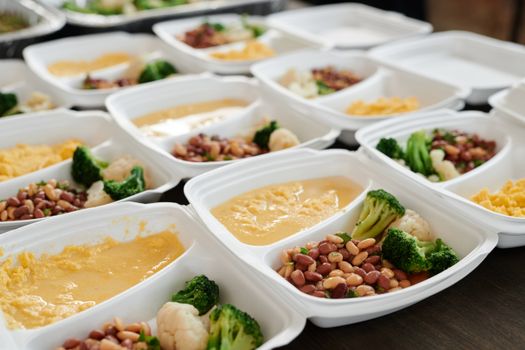
Meal preparation is one of the biggest predictors of dietary success. Cooking larger batches saves both time and money.
Good foods for meal prep include:
- Chicken breast
- Turkey mince
- Rice
- Quinoa
- Roasted vegetables
- Boiled eggs
- Overnight oats
Preparing lunches for several days reduces decision fatigue and makes healthy eating the convenient option. Our guide to meal prep for weight loss walks through a simple batch-cooking routine.
Common Mistakes When Choosing High Protein Low Calorie Meals
Many people unknowingly make choices that reduce the effectiveness of their diet. Common mistakes include:
Only counting protein
Calories still matter. A high-protein meal can still contain more calories than expected if large amounts of cheese, oils or sauces are added.
Ignoring vegetables
Vegetables increase volume and fibre while contributing relatively few calories.
Drinking calories
Sugary coffees, alcohol and soft drinks can quickly erase a calorie deficit.
Skipping meals
Skipping meals often leads to overeating later in the day.
Eating the same meals repeatedly
Variety helps improve nutritional intake and makes healthy eating more enjoyable over the long term.
High Protein Low Calorie Meals on a Budget
Eating well doesn't have to be expensive. Affordable protein sources include:
- Eggs
- Frozen chicken breast
- Tinned tuna
- Cottage cheese
- Lentils
- Chickpeas
- Frozen vegetables
- Beans
Buying frozen vegetables and batch cooking meals often reduces both food waste and grocery bills.
Can High Protein Low Calorie Meals Help You Feel Fuller?
Yes. Protein increases satiety hormones while reducing hunger hormones, helping many people naturally eat fewer calories.
Combining protein with fibre-rich vegetables and whole grains creates meals that are filling without being excessively high in calories. This combination is often easier to maintain than highly restrictive diets that eliminate entire food groups.
Frequently Asked Questions
Are high protein low calorie meals good for weight loss?
Yes. When combined with an appropriate calorie deficit, they can help reduce hunger and preserve muscle during weight loss.
What's the best protein for low calorie meals?
Chicken breast, turkey, white fish, prawns, fat-free Greek yoghurt, Skyr and cottage cheese are all excellent options.
Can vegetarians eat high protein low calorie meals?
Absolutely. Tofu, tempeh, beans, lentils, edamame, eggs and dairy products all provide excellent sources of protein.
Should every meal be high in protein?
Distributing protein evenly throughout the day is generally more beneficial than consuming most of it in one meal.
Can I meal prep high protein low calorie meals?
Yes. Many recipes keep well for several days in the fridge or freezer, making meal prep an effective strategy for busy lifestyles.
Final Thoughts
High protein low calorie meals offer a practical, evidence-based way to support weight loss, improve satiety and maintain muscle while eating in a calorie deficit. Rather than relying on restrictive diets or expensive supplements, focusing on lean protein, vegetables, whole grains and sensible portion sizes creates an approach that most people can sustain over the long term.
Planning these meals in advance is often the biggest challenge. Meal planning tools such as Mealiv can simplify the process by generating personalised high-protein meal plans, calculating calories and protein automatically, creating shopping lists and helping you stay consistent week after week.
Start planning your meals with Mealiv →
This article is for general information only and is not medical advice. Always consult your GP or a registered dietitian before making significant changes to your diet, especially if you have an underlying health condition, take regular medication, are pregnant or breastfeeding, or have a history of disordered eating.