High Protein Meal Prep: Save Time and Hit Your Protein Goals
Preparing meals in advance is one of the simplest ways to eat more protein consistently. Whether your goal is building muscle, losing weight, improving recovery after exercise or simply eating a healthier diet, high protein meal prep helps remove the guesswork from your week. Instead of deciding what to cook every day, you can prepare balanced, protein-rich meals in one session and have them ready whenever you need them.
Meal prepping also makes it much easier to reach your daily protein target. When healthy meals are already waiting in the fridge or freezer, you're less likely to rely on takeaways, convenience foods or snacks that are often high in calories but low in protein.
With tools like Mealiv, you can take this one step further by creating a personalised high-protein meal plan, automatically generating a shopping list, tracking your daily protein intake and adjusting meals throughout the week as your plans change.
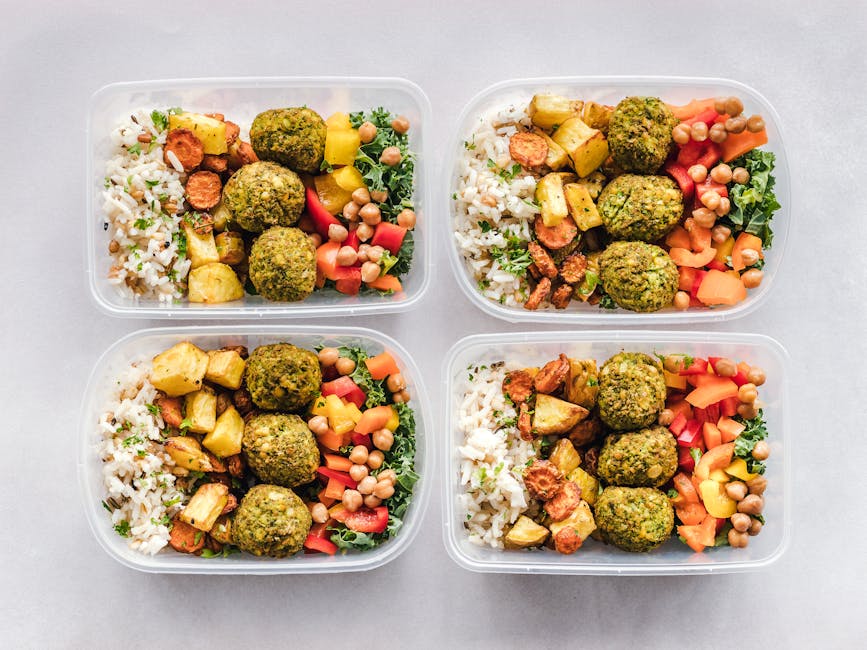
This guide is the make-ahead companion to our full high protein meal plan UK guide — start there for weekly menus and targets, then use the tips below to batch-cook them.
Why High Protein Meal Prep Works
One of the biggest reasons meal prep is successful is that it removes daily food decisions.
After a busy day, it's easy to choose whatever is quickest rather than what's most nutritious. Having meals already prepared means healthy choices become the convenient option.
High-protein meals provide several additional benefits:
- Help maintain and build muscle mass.
- Increase feelings of fullness, helping reduce unnecessary snacking.
- Support recovery after exercise.
- Help preserve muscle while losing weight.
- Make it easier to consistently meet your nutrition goals.
Research consistently shows that protein is the most satiating macronutrient. Combined with vegetables, wholegrains and healthy fats, protein-rich meals can help keep you satisfied for longer between meals.
How Much Protein Do You Need?
Your ideal protein intake depends on your lifestyle and goals.
General recommendations include:
| Goal | Suggested Protein Intake |
|---|---|
| General health | 0.75–0.8g per kg body weight |
| Regular exercise | 1.2–1.6g/kg |
| Muscle building | 1.6–2.2g/kg |
| Weight loss | 1.2–1.8g/kg |
For example, someone weighing 80kg who wants to build muscle may aim for around 130–170g of protein per day, spread across meals.
Rather than trying to eat all your protein at dinner, most sports nutrition experts recommend distributing it throughout the day. Our high protein meal plan shows exactly how to spread protein across breakfast, lunch, dinner and snacks.
The Best Foods for High Protein Meal Prep
Successful meal prep starts with versatile ingredients that store well and can be used across multiple meals.
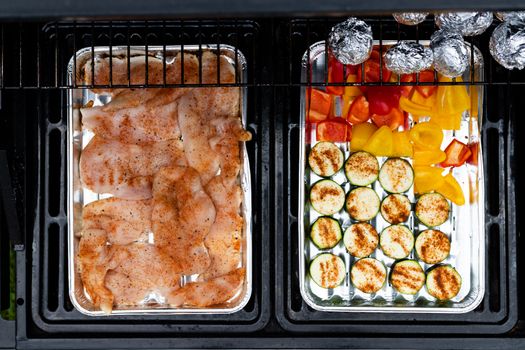
Lean Meats
- Chicken breast
- Turkey mince
- Lean beef
- Pork loin
Fish
- Salmon
- Tuna
- Cod
- Prawns
Dairy
- Greek yoghurt
- Cottage cheese
- Skyr
- Eggs
Plant Protein
- Tofu
- Tempeh
- Lentils
- Chickpeas
- Beans
- Edamame
These ingredients can be mixed with vegetables, wholegrains and healthy fats to create dozens of different meal combinations throughout the week. Browse make-ahead recipes — or generate your own from what you fancy — in the Mealiv Cook hub.
High Protein Meal Prep Ideas

Breakfast
Preparing breakfast ahead of time makes it much easier to avoid skipping meals or grabbing sugary alternatives.
Popular options include:
- Egg muffins
- Overnight oats with Greek yoghurt
- Protein pancakes
- Cottage cheese breakfast bowls
- High-protein breakfast burritos
Most can be stored in the fridge for several days and reheated in minutes. See more in our guide to high protein breakfast ideas.
Lunch
Lunch is often where meal prep saves the most time.
Ideas include:
- Chicken and rice bowls
- Tuna pasta salad
- Turkey chilli
- Spring frittata
- Chicken Caesar salad
- Burrito bowls
Aim to include around 25–40g of protein per serving where possible — more in our high protein lunch ideas.
Dinner
Meals that freeze or reheat well are ideal.
Popular options include:
- Chicken curry
- Turkey meatballs
- High-protein chilli
- Lemon chicken orzo
- Buffalo chicken pasta
- Salmon with roasted vegetables
Cooking larger batches allows you to rotate meals throughout the week instead of eating the same dinner every day.
Meal Prep Containers Matter
Good storage helps meals stay fresher for longer.
Look for containers that are:
- BPA-free
- Microwave-safe
- Freezer-safe
- Leakproof
- Stackable
Glass containers often last longer and resist staining, while plastic containers are lighter for taking lunches to work.
Plan Your Week Before You Cook
One of the biggest mistakes people make is preparing meals without a plan.
Before shopping, decide:
- Which meals you'll need.
- How many portions to cook.
- Which days you'll eat at home.
- Which meals need freezing.
- Your daily protein target.
This is where meal planning apps can save significant time.
With Mealiv, you can generate a personalised high-protein meal plan in minutes, swap meals with AI, automatically create your shopping list and keep track of how much protein you're eating each day. If your plans change, simply edit your week and your shopping list updates automatically.
Whether you're planning meals for muscle gain, weight loss or general healthy eating, Mealiv helps you spend less time planning and more time enjoying nutritious food.
Common High Protein Meal Prep Mistakes
Avoid these common pitfalls:
Preparing Too Much Food
Most cooked meals stay fresh for around three to four days in the fridge. Freeze extra portions rather than trying to stretch them across an entire week.
Not Varying Meals
Eating the same chicken and rice every day quickly becomes boring. Rotate different proteins, vegetables, herbs and sauces to keep meals interesting.
Forgetting Snacks
Protein snacks can help bridge the gap between meals. Ideas include:
- Greek yoghurt
- Cottage cheese
- Boiled eggs
- Mixed nuts
- Protein puddings
- Edamame beans
For a full list, see our guide to high protein snacks.
Ignoring Calories
High protein doesn't automatically mean low calorie. Foods such as nuts, cheese and creamy sauces are nutritious but energy-dense, so portion sizes still matter if weight loss is your goal.
Can Meal Prep Help With Weight Loss?
Yes.
Meal prepping removes much of the uncertainty around eating well. Knowing exactly what you'll eat makes it easier to:
- Control portion sizes.
- Stay within your calorie target.
- Increase protein intake.
- Reduce impulsive food choices.
- Maintain consistency during busy weeks.
Combined with regular exercise, meal prep is one of the most sustainable habits for long-term weight management.
Using Mealiv makes this even easier by allowing you to plan meals around your calorie and protein goals while automatically updating your shopping list as your meal plan changes.
Frequently Asked Questions
How long do meal prep meals last?
Most cooked meals stay fresh for three to four days in the refrigerator when stored correctly. Many dishes can also be frozen for up to three months.
Can I freeze high protein meal prep?
Yes. Meals such as chilli, curry, pasta dishes, meatballs and cooked chicken freeze particularly well.
What's the best protein source for meal prep?
There isn't a single best option. Chicken, turkey, lean beef, fish, eggs, tofu, beans and Greek yoghurt are all excellent choices. Rotating protein sources also helps increase the variety of nutrients in your diet.
How much protein should each meal contain?
Many people aim for 25–40g of protein per meal, although this depends on your body weight, activity levels and overall daily protein target.
Is meal prep good for muscle gain?
Yes. Preparing meals in advance makes it easier to consistently eat enough protein and calories to support muscle growth and recovery after training.
Conclusion
High protein meal prep is one of the easiest ways to save time, reduce food waste and stay consistent with your nutrition goals. By preparing balanced meals in advance, you remove much of the stress from healthy eating while making it easier to reach your daily protein target.
Whether your goal is building muscle, losing weight or simply eating a healthier diet, planning ahead is often the key to long-term success. Using a meal planning tool such as Mealiv can make the process even simpler by helping you generate personalised high-protein meal plans, discover new recipes, organise your shopping list, track your protein intake and adapt your meals whenever your schedule changes.
By combining smart planning with nutritious, protein-rich recipes, you'll spend less time wondering what to eat and more time making progress towards your health and fitness goals.