Weight Loss Meal Plan: A Healthy 7-Day Plan
A weight loss meal plan makes healthy eating much easier, mostly by removing the daily stress of deciding what to cook.
Rather than relying on restrictive diets or eating the same low-calorie meals on repeat, a balanced plan organises satisfying breakfasts, lunches, dinners and snacks around your goals.
The seven-day plan below is practical inspiration built on protein-rich foods, vegetables, wholegrains, fruit and healthy fats. Because calorie and nutrition needs vary from person to person, Mealiv can also build a personalised version around your own goals, preferences, allergies and lifestyle.
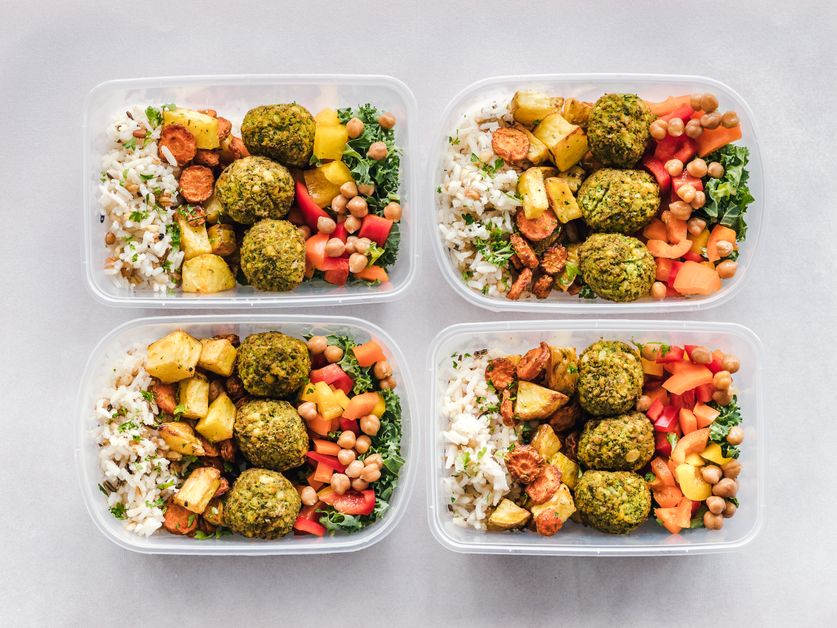
What makes a good weight loss meal plan
A good plan supplies an appropriate amount of energy while still delivering the nutrients your body needs. In practice that means:
- A realistic calorie target
- Protein with most meals
- Plenty of vegetables
- Fibre-rich carbohydrates
- Healthy fats in sensible portions
- Meals you genuinely enjoy
- Enough variety to sustain
- Room for social occasions
The best plan is not the one with the fewest calories. It is the one you can follow consistently without feeling constantly hungry or restricted — which is why the last three items on that list matter as much as the first.
How Mealiv personalises it
Generic meal plans give you ideas, but they cannot know your daily calorie target, weight loss goal, protein target, dietary preferences, allergies, favourite ingredients, foods you would rather avoid, cooking time, number of meals a day or household size.
Mealiv builds around all of it, and you can swap meals, change portions and regenerate suggestions whenever your routine changes. Working out the target first? Start with the calorie deficit calculator.
The 7-day weight loss meal plan
Adjust the portions to match your own calorie and nutrition needs — the meals are the useful part, not the exact quantities.
Day 1
- Breakfast Greek yoghurt with berries, oats and chia seeds.
- Lunch Grilled chicken salad with mixed leaves, tomatoes, cucumber and a wholemeal pitta.
- Dinner Baked salmon with roasted broccoli, peppers and baby potatoes.
- Snack An apple with a small portion of almonds.
Day 2
- Breakfast Porridge topped with banana, cinnamon and a spoonful of natural peanut butter.
- Lunch Lentil and vegetable soup with wholegrain bread.
- Dinner Turkey chilli with kidney beans, vegetables and brown rice.
- Snack Carrot and cucumber sticks with hummus.
Day 3
- Breakfast Scrambled eggs on wholegrain toast with grilled tomatoes.
- Lunch Tuna and sweetcorn wholemeal pasta salad with spinach and cucumber.
- Dinner Chicken stir-fry with mixed vegetables and brown rice.
- Snack Greek yoghurt with strawberries.
Day 4
- Breakfast Overnight oats with Greek yoghurt, blueberries and pumpkin seeds.
- Lunch Chickpea and feta salad with tomatoes, cucumber, peppers and olives.
- Dinner Baked cod with green beans, roasted carrots and new potatoes.
- Snack A pear and a boiled egg.
Day 5
- Breakfast A vegetable omelette with spinach, mushrooms and peppers.
- Lunch Wholemeal turkey wrap with salad, avocado and natural yoghurt dressing.
- Dinner Lean beef and vegetable casserole with mashed sweet potato.
- Snack Cottage cheese with berries.
Day 6
- Breakfast Wholegrain toast with avocado and poached eggs.
- Lunch Chicken and quinoa bowl with roasted vegetables.
- Dinner Chickpea curry with spinach and a moderate portion of brown rice.
- Snack An orange with a small handful of walnuts.
Day 7
- Breakfast Greek yoghurt pancakes topped with fruit.
- Lunch Roast chicken salad using leftover vegetables and potatoes.
- Dinner Vegetable and bean soup with wholegrain bread.
- Snack Apple slices with peanut butter.
Day 7 lunch is deliberately built from leftovers. Planning the leftovers in, rather than hoping they get eaten, is one of the highest-value things a plan can do.
Why protein matters while losing weight
Protein makes meals more satisfying and helps maintain muscle while you are in a deficit. Useful sources include:
- Chicken
- Turkey
- Fish
- Eggs
- Greek yoghurt
- Cottage cheese
- Lentils
- Beans
- Chickpeas
- Tofu
- Tempeh
Mealiv tracks daily protein and can prioritise higher-protein recipes when it generates your plan. To set a target, use the protein calculator.
Add fibre to stay satisfied
Fibre-rich foods add volume to meals and support digestive health. Good sources include vegetables, fruit, oats, wholegrain bread, brown rice, wholemeal pasta, beans, lentils, chickpeas, and nuts and seeds.
The simplest way to increase it: put vegetables with lunch and dinner, and choose wholegrain carbohydrates where you have the choice.
Portion sizes still matter
Nutritious foods still carry calories, and some carry a lot. Olive oil, nuts, cheese, avocado and nut butter all belong in a weight loss plan, but they are energy-dense enough that portion size decides whether they help or quietly undo the week.
Mealiv adjusts recipe quantities and serving sizes around your calorie target, so a varied diet does not require estimating every portion by eye.
Meal prep
Cooking in advance is the most reliable way to reduce reliance on takeaways and convenience food. Things that batch well include turkey chilli, lentil soup, chicken traybakes, chickpea curry, vegetable casseroles, wholegrain pasta dishes and overnight oats.
Mealiv can plan leftovers into future lunches and reuse ingredients across several recipes, which cuts both cooking time and waste. There is more in meal prep for weight loss.
Turn the plan into a shopping list
Once the meals are set, Mealiv creates the shopping list automatically. It groups groceries by category, scales quantities to your household, removes what is already in your pantry, accepts custom items, exports to supported UK supermarkets and updates itself when you swap a meal.
The full list to work from is on the weight loss shopping list.
Track more than calories
Weight loss depends partly on energy intake, but a healthy eating pattern has to deliver nutrition too. Mealiv tracks calories, protein, carbohydrates, fat, fibre, vitamins, minerals, your Food Quality Score and ultra-processed food intake.
That tells you two separate things: whether the plan supports weight loss, and whether it is actually balanced. They are not the same question.
Making the plan easier to follow
- Choose meals you already enjoy.
- Do not make every recipe complicated.
- Repeat a few breakfasts and lunches.
- Prepare ingredients in advance.
- Keep easy protein sources in.
- Include one flexible meal each week.
- Use leftovers rather than cooking from scratch daily.
- Keep filling snacks available for genuinely hungry moments.
A meal plan should simplify your week, not turn eating into a second job.
Common meal-planning mistakes
Cutting calories too aggressively
An overly restrictive plan is hard to maintain and tends to leave you tired and hungry enough to abandon it.
Ignoring protein
Meals without protein feel less satisfying and make maintaining muscle harder.
Removing every favourite food
A plan with no flexibility in it is unlikely to last.
Planning complicated meals every day
Simple meals get cooked. Ambitious ones get replaced by a takeaway.
Forgetting drinks, sauces and snacks
Calories from drinks, oils, dressings and unplanned snacks add up quietly. Logging complete meals and recipes gives you the fuller picture.
Free tools to support your plan
Mealiv's free calculators help you understand the numbers behind the plan: the calorie calculator, TDEE calculator, BMR calculator, macro calculator, protein calculator, body fat calculator, ideal weight calculator, water intake calculator and recipe nutrition calculator.
Use them as estimates and adjust according to your progress, preferences and how you actually feel.
Frequently asked questions
What should a weight loss meal plan include?
Protein, vegetables, fibre-rich carbohydrates, healthy fats and enough variety to sustain, all inside an appropriate calorie target.
Do I need to eat different meals every day?
No. Repeating breakfasts or lunches makes planning easier and cuts waste. Variety across the wider week matters more than a completely different menu daily.
Can I eat carbohydrates and still lose weight?
Yes. Wholegrain and fibre-rich choices provide energy and make meals more satisfying, which helps rather than hinders.
Should I skip meals to lose weight?
It is not necessary, and for some people it leads to overeating later. The best pattern is the one that helps you manage hunger and stay consistent.
Can Mealiv create a vegetarian weight loss meal plan?
Yes, using protein sources such as beans, lentils, eggs, dairy, tofu and tempeh.
Can I change meals in my Mealiv plan?
Yes — swap recipes, adjust servings and regenerate meals, with the plan staying aligned to your nutrition goals.
Continue exploring
- Weight Loss
- Weight Loss Meal Planner
- Weight Loss Breakfast
- Weight Loss Lunch
- Weight Loss Dinner
- Weight Loss Snacks
- Weight Loss Shopping List
Related reading: the healthy eating plan, high protein meal plans and the Mediterranean meal plan.