 Mealiv
Weight loss guide
Meal Prep for Weight Loss: Save Time and Calories
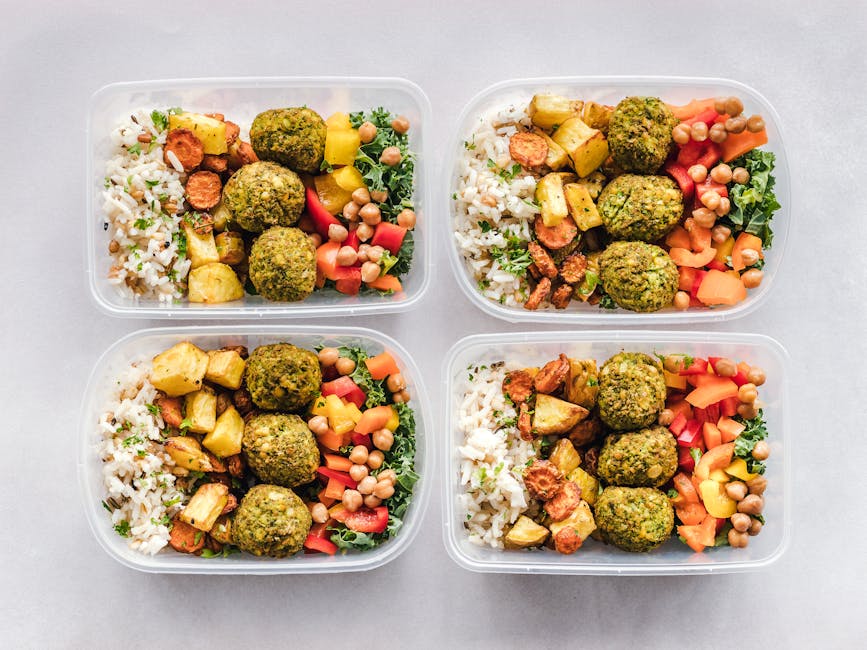
Meal prep for weight loss is one of the simplest ways to stay consistent with healthy eating. Instead of deciding what to eat every day, you prepare meals in advance, making it easier to stick to your calorie target and avoid unhealthy choices.
Planning ahead also saves time. Rather than cooking every evening or making multiple trips to the supermarket, you can prepare several days of meals at once. Combined with a nutrition tracker, meal prep becomes an effective way to manage your calories, reduce food waste and make weight loss easier to maintain. It sits naturally alongside the wider principles in our diet, nutrition and weight loss guide.
What Is Meal Prep?
Meal prep is the process of planning, preparing and storing meals before you need them. Some people prepare every meal for the week, while others simply batch cook dinners or prepare healthy lunches.
Meal prep can include:
- Cooking meals for several days in advance.
- Preparing ingredients ready for cooking.
- Portioning meals into containers.
- Freezing meals for later.
- Planning breakfasts, lunches, dinners and snacks.
The aim is to make healthy eating the easiest option when you're busy.
Why Meal Prep Helps with Weight Loss
Successful weight loss is largely about consistency. Preparing meals in advance removes many of the decisions that lead to overeating.
Meal prep can help you:
- Control portion sizes.
- Stay within your calorie target.
- Eat more home-cooked meals.
- Reduce takeaway temptation.
- Save money on food.
- Waste less food.
- Spend less time cooking during the week.
When healthy meals are already prepared, you're far less likely to reach for convenience foods after a long day.
Meal Prep and Calorie Control
One of the biggest benefits of meal prep is knowing exactly what you're eating.
When you prepare meals yourself, you can:
- Weigh ingredients accurately.
- Calculate calories before eating.
- Balance protein, carbohydrates and fats.
- Adjust portion sizes to match your goals.
The NHS recommends creating a sustainable calorie deficit for weight loss rather than relying on restrictive diets. Preparing meals in advance makes that much easier because your calories have already been planned. If you'd rather start from a ready-made target, a 1,500 calorie meal plan gives you a realistic daily figure to build balanced meals around, and our guide to calorie deficit meal prep shows how to batch-cook to a specific calorie goal.
How to Start Meal Prepping for Weight Loss
Starting doesn't need to be complicated.
1. Decide How Many Meals to Prep
Many people begin with just lunches or evening meals before preparing an entire week's food.
2. Choose Simple Recipes
Pick recipes with ingredients that overlap. This reduces shopping costs and food waste. For example:
- Chicken and roasted vegetables.
- Chilli with rice.
- Turkey meatballs.
- Vegetable curry.
- Overnight oats.
3. Shop Once
Create a shopping list before visiting the supermarket. Buying everything at once saves time and reduces impulse purchases.
4. Cook in Batches
Preparing four or five portions of the same meal is often quicker than cooking every evening. Many meals also freeze well.
5. Store Correctly
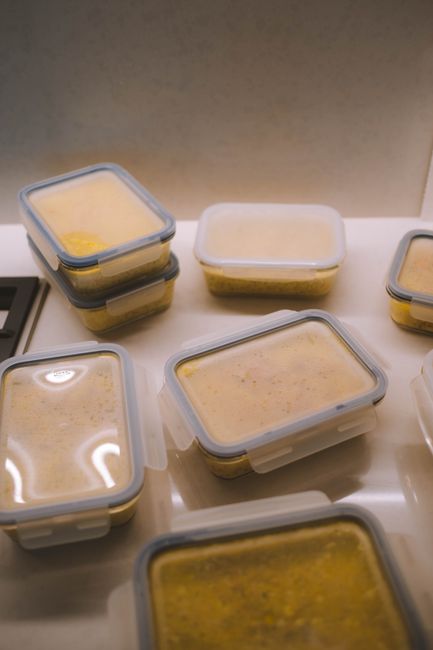
Use airtight containers and label meals if freezing them. Keep refrigerated meals for a few days and freeze any meals you won't eat immediately.
The Best Foods for Meal Prep
Some foods stay fresh longer than others.
Good protein choices include:
- Chicken breast.
- Turkey.
- Lean beef.
- Eggs.
- Salmon.
- Tofu.
- Beans.
Good carbohydrates include:
- Brown rice.
- Sweet potatoes.
- Wholegrain pasta.
- Quinoa.
- Oats.
Good vegetables include:
- Broccoli.
- Peppers.
- Carrots.
- Green beans.
- Spinach.
- Courgettes.
Healthy fats include:
- Avocados.
- Olive oil.
- Nuts.
- Seeds.
Combining lean protein, vegetables and fibre-rich carbohydrates can help you feel fuller for longer.

Meal Prep Mistakes to Avoid
Meal prep works best when it's realistic.
Preparing Too Much
If you're new to meal prep, don't prepare every meal for seven days. Start with three or four meals.
Choosing Complicated Recipes
Simple meals are easier to repeat and quicker to prepare.
Ignoring Portion Sizes
Even healthy meals contain calories. Use scales where needed until you're familiar with portion sizes.
Forgetting Snacks
Many people carefully prepare meals but forget about snacks. Preparing healthy snacks in advance can prevent unnecessary calories.
How Meal Prep Saves Time
Many people think meal prep takes longer. In reality, preparing five meals together is usually much faster than cooking five separate meals across the week.
Meal prep also reduces:
- Daily food decisions.
- Supermarket visits.
- Washing up.
- Time spent looking for recipes.
Planning ahead is one of the simplest ways to make healthy eating fit into a busy lifestyle — and a weekly meal plan for weight loss gives your prep a clear structure to follow.
Using Meal Prep with a Nutrition Tracker
Meal prep becomes even more powerful when combined with a nutrition tracker.
Logging meals before the week starts means you already know:
- Your daily calories.
- Your protein intake.
- Your carbohydrates.
- Your fats.
- Your fibre.
Instead of wondering whether you've stayed within your calorie target, you already have the answer. Keeping a simple food diary alongside your prep also makes it easier to spot where adjustments are needed if your weight loss slows, and a weight loss tracker helps you follow the underlying trend rather than day-to-day fluctuations.
How Mealiv makes meal prep easier
Mealiv is designed to simplify meal prep from start to finish. Instead of manually planning meals, writing shopping lists and calculating nutrition separately, Mealiv brings everything together in one place:
- Generate AI meal plans based on your calorie target.
- Build shopping lists automatically from your plan.
- Import recipes from websites and social media.
- Store your favourite meals to reuse each week.
- Track calories and nutrients as you go.
- Log meals with photos or nutrition labels.
- Get AI suggestions based on what you've already eaten.
Meal Prep Doesn't Need to Be Perfect
Many people stop meal prepping because they believe every meal needs to be prepared in advance. That's not true.
Even preparing:
- Three lunches.
- Four dinners.
- Healthy snacks.
- Overnight breakfasts.
can make a noticeable difference to your eating habits. Small improvements repeated every week usually produce better long-term results than trying to prepare every meal perfectly.
Frequently Asked Questions
Is meal prep good for weight loss?
Yes. Meal prep can help reduce calorie intake, improve portion control and make healthy eating more consistent, all of which support weight loss.
How many days should you meal prep for?
Most people prepare three to five days of meals. Meals can also be frozen if you want to prepare further in advance.
Can meal prep save money?
Yes. Planning meals before shopping helps reduce impulse purchases and food waste.
Should I count calories when meal prepping?
Tracking calories isn't essential for everyone, but many people find it easier to lose weight when meals have known calorie values. A nutrition tracker can simplify this process.
Can I meal prep if I have a busy schedule?
Absolutely. Meal prep is particularly useful for busy people because it reduces daily cooking and food decisions.
Final Thoughts
Meal prep for weight loss isn't about eating the same meal every day or spending hours in the kitchen every weekend. It's about planning ahead so that healthy choices become easier than unhealthy ones.
Whether you prepare a few lunches or a full week's worth of meals, the time you invest upfront can save hours later while helping you stay within your calorie goals. For the best results, combine meal prep with a nutrition tracker that lets you monitor calories, protein and overall diet quality. Over time, these small habits can make losing weight feel far more manageable than relying on willpower alone.
Start planning your meals with Mealiv →
This article is for general information only and is not medical advice. Always consult your GP or a registered dietitian before making significant changes to your diet, especially if you have an underlying health condition.