Calorie Deficit Meal Prep: A Practical UK Guide to Losing Weight Without Overthinking Food
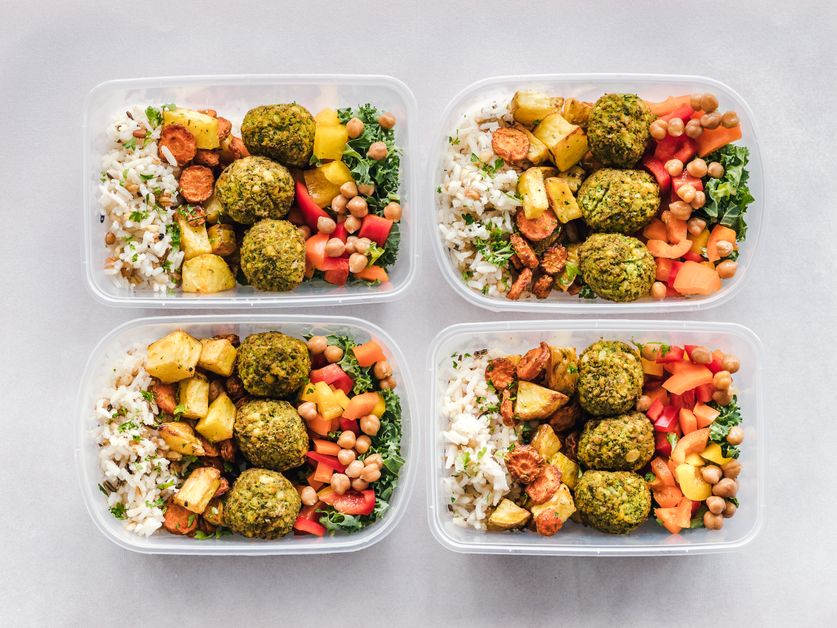
If you're trying to lose weight, maintaining a calorie deficit is essential — but the real challenge isn't knowing what to do, it's doing it consistently. Busy schedules, last-minute food decisions and convenience meals can quickly make it harder to stay on track. That's where meal prep comes in.
By planning meals in advance and preparing food ahead of time, you remove much of the daily guesswork: less time deciding what to eat, less temptation to order a takeaway, and an easier path to staying within your calorie target all week. This guide explains how calorie deficit meal prep works, how to choose the right meals, and how to build a routine that lasts.
It sits alongside our broader 1500 calorie meal plan and the lower-calorie 1200 calorie meal plan — pick the calorie target that matches your needs, then use the prep approach below to actually stick to it.
What Is a Calorie Deficit?
A calorie deficit occurs when you consume fewer calories than your body uses. When this happens consistently, your body draws on stored energy — including body fat — to make up the difference, which over time can lead to weight loss.
For many adults, a daily deficit of around 500 calories supports gradual, sustainable weight loss, though requirements vary with age, sex, weight, activity level and goals. The NHS recommends focusing on sustainable lifestyle changes rather than extreme dieting. If you're not sure where to start, our calorie calculator turns your details into a realistic daily target, and the calorie deficit calculator helps you set a sensible deficit you can actually maintain.
Why Meal Prep Works So Well for Weight Loss
Most people don't struggle with weight loss because they lack knowledge. They struggle because life gets busy. After a long day, it's far easier to order food or grab convenience snacks than to cook a balanced meal from scratch. Meal prep removes those decisions before they happen.
Benefits include:
- Better portion control
- Less impulse eating
- Fewer takeaway meals
- Reduced food waste
- Faster weekday meals
- Easier calorie tracking
- Greater consistency
Most importantly, it creates an environment where making the healthier choice becomes the easier choice.
Start With a Plan, Not a Recipe
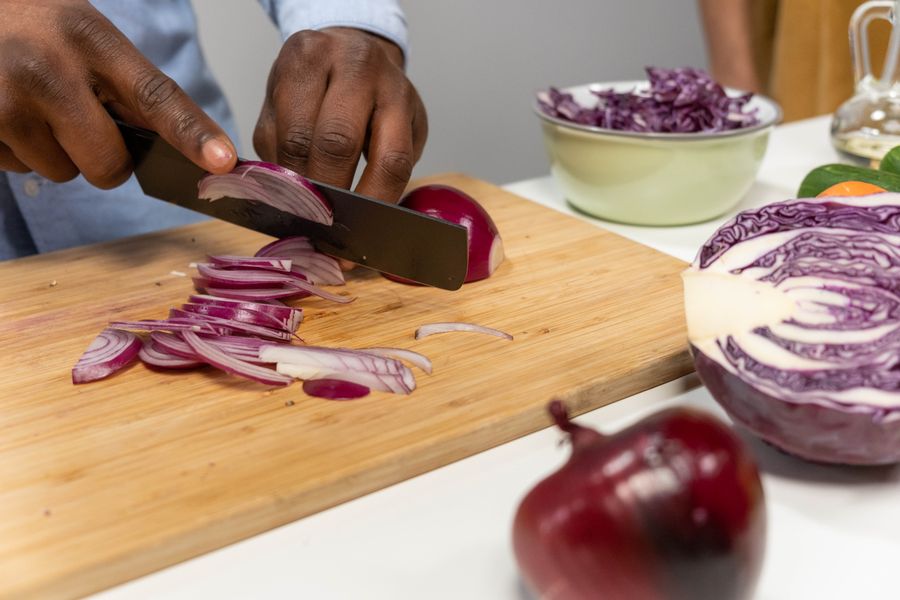
One of the biggest meal prep mistakes is jumping straight into cooking without a plan. Before you shop, take a few minutes to decide how many lunches and dinners you need at home this week, which days are busiest, and which meals usually lead to unhealthy choices.
Once you know the answers, build a simple meal plan around your week. A good plan helps you buy only what you need, reduce food waste, stay within your calorie target and avoid unnecessary food decisions. The Mealiv meal planner does this for you — set your calorie target and preferences, and it builds a balanced week and a ready-to-shop ingredient list automatically. The goal isn't perfection; it's making the week easier.
Shop With Purpose
A shopping list is one of the simplest weight-loss tools available. Without a plan, it's easy to buy foods based on cravings, promotions or convenience. With a plan, every item has a purpose — and Mealiv's shopping list generator turns your week's meals straight into an organised list so nothing slips through. Focus most of your shop on:
Lean Proteins
- Chicken breast, turkey mince, eggs
- Tinned tuna, salmon
- Greek yoghurt, cottage cheese
- Tofu, tempeh, lentils
Vegetables
- Broccoli, peppers, carrots
- Courgettes, spinach, green beans, cauliflower
High-Fibre Carbohydrates
- Oats, brown rice, wholemeal pasta
- Potatoes, sweet potatoes, wholegrain wraps
Healthy Fats
- Nuts, seeds, avocados, olive oil
Building meals around these ingredients helps improve fullness while keeping calories under control.
Full Meals or Ingredient Prep?
There are two popular approaches, and both work — the best choice is whichever one you'll stick to.
Option 1: Prepare complete meals
Cook entire meals and portion them into containers — chicken burrito bowls, turkey chilli, lentil curry, tuna pasta salad or chicken and vegetable stir-fry. You get maximum convenience, easier calorie control and minimal weekday effort, at the cost of a little less variety.
Option 2: Prepare ingredients
Instead of full meals, batch-cook the components — chicken breast, rice or potatoes, roasted vegetables and salad ingredients — then mix and match through the week. This gives more flexibility and variety and less meal fatigue, with slightly more assembly required each day.
Protein Matters More Than Most People Think
When eating in a calorie deficit, protein becomes especially important. It helps keep you fuller for longer, supports muscle maintenance, reduces cravings and improves recovery after exercise. A simple goal is to include a source of protein in every meal — chicken, turkey, fish, eggs, Greek yoghurt, cottage cheese, tofu, beans or lentils all work well.
Meals containing around 25–40g of protein often strike a good balance between satiety and calorie control. If you want to lean further into this, our 1500 calorie high-protein meal plan shows how to weight a full day towards protein while staying in a deficit.
What Should a Calorie Deficit Meal Look Like?
There's no perfect formula, but a simple structure works for most people: a source of protein, plenty of vegetables, a sensible portion of carbohydrates and a small amount of healthy fat. For example:
- Lunch: Chicken breast, brown rice and roasted vegetables.
- Dinner: Turkey chilli with mixed beans and a side salad.
- Vegetarian option: Lentil curry, brown rice and roasted cauliflower.
This approach keeps meals satisfying without becoming overly restrictive — and because each plate follows the same template, it's easy to repeat and easy to track.
Practical Meal Prep Tips
Small improvements make the biggest difference:
- Batch cook once — preparing several meals in one session saves time all week.
- Use the freezer — freeze extra portions to create variety and reduce waste.
- Roast at 200°C fan — cooking vegetables and proteins together on sheet pans saves time and washing up.
- Use consistent containers — similar-sized tubs make portion control automatic.
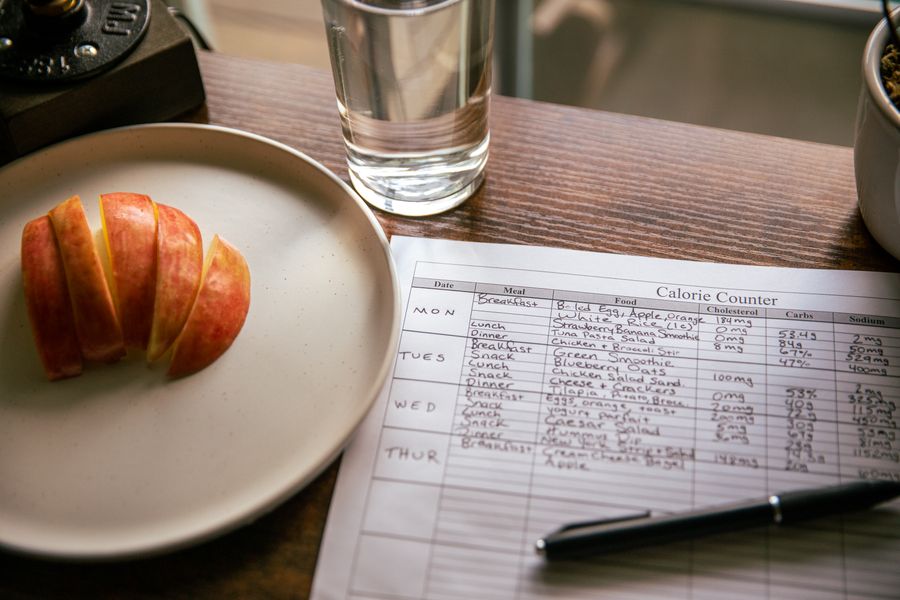
- Track your intake — logging meals helps identify patterns, highlight nutrition gaps and keep you accountable. A weight loss tracker shows whether your trajectory is actually heading the right way.
How to Stay Consistent Without Getting Bored
Meal prep doesn't mean eating the same meal every day. Rotate your protein sources, change seasonings and spices, use different sauces, mix cuisines and freeze portions for future weeks. Remember: consistency beats variety. A simple plan you follow every week will usually outperform an ambitious plan that lasts three days.
Common Meal Prep Mistakes
Trying to be too perfect
One takeaway won't ruin your progress. Focus on consistency, not perfection.
Preparing foods you don't enjoy
Even healthy meals need to taste good. Choose foods you'd genuinely look forward to eating.
Ignoring protein
Low-protein meals often leave people hungry and searching for snacks later.
Shopping without a plan
Random shopping usually leads to random eating. Plan first, shop second.
Frequently Asked Questions
How many calories should a meal prep meal contain?
It depends on your daily calorie target. Many people find meals between 400 and 600 calories fit comfortably into a calorie deficit while still being satisfying. Our calorie calculator can help you set the daily number to divide between your meals.
Can I lose weight without counting calories?
Yes. Many people lose weight simply by improving food choices and controlling portions. However, tracking your intake provides greater accuracy and helps identify where extra calories may be coming from.
Are frozen vegetables healthy for meal prep?
Yes. Frozen vegetables are typically frozen shortly after harvest and provide similar nutritional value to fresh options. They're also convenient, affordable and reduce food waste.
How long do meal-prepped meals last?
Most cooked meals can be stored safely in the fridge for three to five days in airtight containers. Extra portions can be frozen for later use.
What are the best foods for calorie deficit meal prep?
Focus on foods that provide protein, fibre, micronutrients and good satiety — chicken, fish, eggs, lentils, beans, vegetables, oats, potatoes and wholegrains.
How Mealiv Can Help
Successful calorie deficit meal prep isn't about finding the perfect recipe — it's about building a routine that makes the healthy choice the easy one. Mealiv takes the guesswork out of it: tell it your goals, dietary preferences and calorie target, and it generates a balanced week of meals, builds your shopping list automatically and tracks your calories and macros as you go.
Start with a simple plan, prepare meals you genuinely enjoy, and focus on protein, vegetables and consistency. Over time, those small habits make it much easier to maintain a calorie deficit, improve your nutrition and reach your goals without constantly thinking about food.