Mediterranean Diet for Weight Loss
The Mediterranean diet is widely regarded as one of the healthiest eating patterns there is. Whether it also helps you lose weight is a fair question, and the honest answer is yes — with a caveat worth understanding.
It was never designed as a weight-loss diet. It became one by accident, because the food it is built on happens to be filling. Rather than cutting out food groups or imposing rules you will abandon by February, it leans on meals that are satisfying enough to keep eating.
Mealiv pairs those principles with a personalised calorie target, AI meal planning and nutrition tracking, so the plan fits your actual numbers.
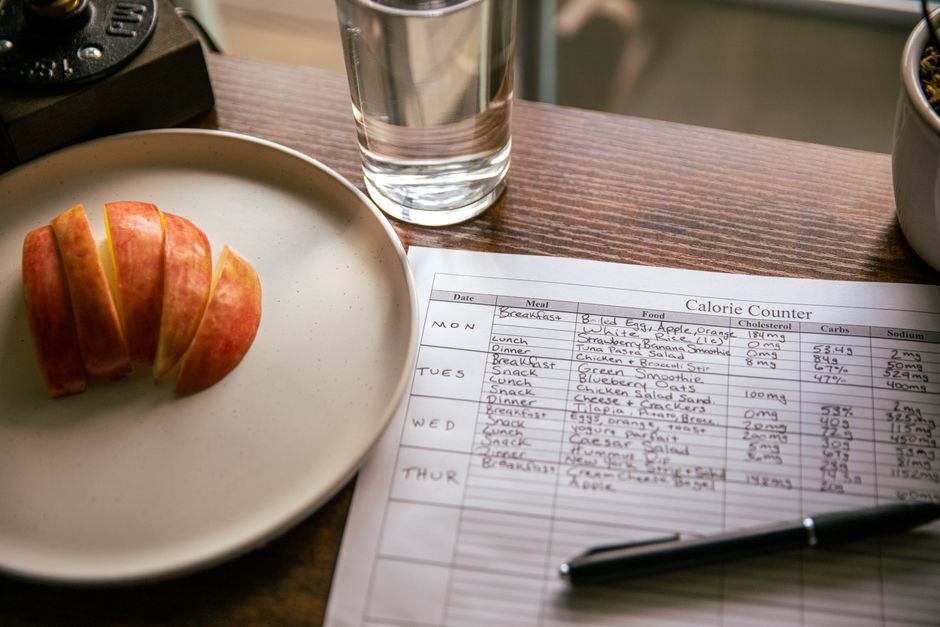
Can the Mediterranean diet help you lose weight?
Yes — though it helps to be clear about why, because the reason is not the one usually advertised.
Weight loss happens when you consistently take in fewer calories than your body uses. That is a calorie deficit, and there is no way around it.
The Mediterranean diet does not burn fat. What it does is make a deficit easier to hold, because the food it centres on is high in fibre, decent in protein, minimally processed and naturally filling. Most people find they stay fuller for longer than on a diet built around refined carbohydrates and ultra-processed food.
That distinction matters. A diet that makes eating less feel manageable is doing something genuinely useful. It is just not doing something magic.
Why it works
The food is more filling
Vegetables, legumes, whole grains and lean protein all increase satiety. Feeling full between meals usually means eating less across the day without consciously trying to.
You get more fibre
Lentils, chickpeas, beans, oats, vegetables and fruit are all naturally high in fibre. Fibre slows digestion, helps control appetite and supports gut health. Most adults in the UK fall well short of the 30g daily recommendation.
You get more protein
Protein helps preserve muscle while you are losing weight, and tends to reduce hunger. Mediterranean sources include fish, chicken, Greek yoghurt, eggs, lentils, chickpeas and beans. Mealiv can weight your plan towards higher protein if maintaining muscle matters to you, and the protein calculator will tell you what to aim for.
There is less ultra-processed food
Eating this way naturally displaces crisps, sugary cereals, cakes, sweets, fast food and processed meat. Replacing them with whole ingredients tends to improve both the nutrition and the appetite control. Mealiv's Food Quality Score shows that shift happening rather than leaving you to guess at it.
Do you still need a calorie deficit?
Yes. Whatever the eating pattern, losing body fat requires taking in less energy than you use. The Mediterranean diet makes that deficit easier to live with; it does not remove the requirement.
Mealiv works out your daily target from your age, height, weight, activity level and goal, then builds plans that fit it. You can see the same calculation on the calorie deficit calculator or the TDEE calculator if you would rather understand the numbers before committing to them.
A sensible deficit is a modest one. Aggressive restriction tends to cost you muscle and adherence at the same time, and most people regain the weight. Slower is not a consolation prize here — it is the approach that works.
What to eat
Vegetables
Aim to fill roughly half the plate. They provide a great deal of volume for very few calories, which is exactly what you want when eating less.
- Broccoli
- Spinach
- Peppers
- Tomatoes
- Courgettes
- Mushrooms
- Carrots
Lean protein
Include a source at every meal. It keeps you fuller and protects muscle while you are in a deficit.
- Chicken breast
- Turkey
- Salmon
- Cod
- Tuna
- Greek yoghurt
- Eggs
- Lentils
- Chickpeas
Whole grains
Choose wholegrain over refined where you reasonably can — more fibre, and a slower release of energy.
- Brown rice
- Oats
- Wholemeal pasta
- Quinoa
- Wholegrain bread
Healthy fats
Still very much part of the diet, but energy-dense enough to deserve attention. Olive oil is around 120 kcal a tablespoon, and a generous pour is easily three of them.
- Olive oil
- Avocados
- Nuts
- Seeds
- Olives
Fruit
An excellent snack or dessert — fibre, vitamins and natural sweetness, for far fewer calories than the alternative.
What to limit
None of this needs to be banned. Eating it less often simply makes the deficit easier to maintain.
- Sugary drinks
- Cakes
- Pastries
- Biscuits
- Crisps
- Fried foods
- Processed ready meals
- Large portions of high-calorie snacks
Outright bans tend to backfire. A plan you can follow imperfectly for a year beats one you follow precisely for three weeks.
A sample day
Breakfast
Greek yoghurt with berries, oats and chia seeds.
Lunch
Grilled chicken salad with mixed vegetables, olives and an olive oil dressing.
Dinner
Baked salmon with roasted broccoli and brown rice.
Snack
An apple with a small handful of almonds.
Deliberately without calorie figures, because the right portions depend on your target rather than on a number printed in an article. Mealiv sizes them for you. For a full week of meals, see the 7-day Mediterranean meal plan.
Tips that actually move the needle
Fill half the plate with vegetables
Volume without many calories. The single easiest change on this list.
Put protein in every meal
It supports muscle maintenance and keeps you satisfied longer.
Watch portion sizes
Healthy food still contains calories, and the healthiest foods on this page include some of the most energy-dense. Mealiv adjusts portions to your goal automatically.
Drink enough water
Thirst is easily mistaken for hunger. The water intake calculator gives a reasonable daily figure to aim at.
Stay active
Combining regular activity with a balanced diet works better over the long run than either on its own. The calories burned calculator shows what different activities actually contribute — usually less than people expect, which is useful to know.
Plan ahead
Most diets are not abandoned in a moment of weakness. They are abandoned at 7pm when there is nothing in the fridge. Mealiv generates the week's plan and the shopping list together.
How Mealiv helps
Planning is the part most people find hardest, so Mealiv puts it in one place.
Personalised meal plans
Built around your calorie target, goal, favourite foods, dietary preferences and allergies.
Automatic shopping lists
Every plan produces an organised list you can edit, or export to Tesco, Sainsbury's and Asda.
Nutrition tracking
Calories, protein, fibre, healthy fats, vitamins, minerals, Food Quality Score and ultra-processed intake — so you can see the quality of what you eat, not only the quantity.
Pantry integration
Recipes suggested from what you already have, which cuts both waste and the number of decisions.
AI meal suggestions
Alternatives that still fit your calorie and nutrition targets, for the evenings when the plan does not appeal.
Frequently asked questions
How much weight can you lose on the Mediterranean diet?
It varies, and it depends far more on how consistently you hold a deficit than on the diet's name. Anyone quoting you a fixed weekly figure is guessing.
Is the Mediterranean diet better than keto?
It is generally easier to sustain, because it excludes far less. The best diet is the one you can actually keep to while still meeting your nutritional needs — which for most people is the one with fewer rules.
Can I eat pasta and still lose weight?
Yes. Wholemeal pasta fits perfectly well in a sensible portion, served with vegetables and protein rather than on its own.
Does olive oil stop weight loss?
No. It is a healthy unsaturated fat, and also around 120 kcal per tablespoon. Measuring rather than pouring is usually enough to keep it in check.
Is the Mediterranean diet good for belly fat?
No diet targets fat in one area — spot reduction is not something the body does. A calorie-controlled Mediterranean diet reduces overall body fat over time, and abdominal fat goes with it.