Meal Planning for Food Allergies: The Complete UK Guide
Living with food allergies means every meal takes a little more planning. Whether you are managing your own allergy, cooking for a child, or feeding a household where several people avoid different things, being organised makes everyday life significantly easier.
Without a plan it is easy to spend an hour in the supermarket reading labels, worry about cross-contamination, or fall back on the same four safe meals every week. A proper routine helps you eat safely, waste less food, spend less money and eat a far wider variety of things.
This guide covers what you need to know about meal planning with food allergies in the UK — allergen labelling, preventing cross-contamination at home, batch cooking, shopping efficiently and keeping your diet balanced when a whole food group is off the table. It finishes with a sample week you can adapt.
If you would rather have the planning done for you, Mealiv's allergy-friendly meal planner builds weekly plans around the foods you need to avoid, and generates the shopping list to match.

Why Meal Planning Matters When You Have Food Allergies
For most people, deciding what is for dinner is a small choice made late in the day. With a food allergy, every meal involves checking ingredients, avoiding contamination and being confident the food is genuinely safe.
Planning ahead changes that in several ways:
- It reduces the risk of accidental allergen exposure
- It makes the supermarket trip quicker and less stressful
- It cuts food waste, because everything you buy has a job
- It saves money, for the same reason
- It helps you keep a balanced diet rather than a merely safe one
- It removes the daily decision, which is where most mistakes happen
- It makes cooking for a mixed household far less fraught
The single most important thing to understand is that allergens cannot be cooked out. The Food Standards Agency is explicit about this: heat does not destroy the proteins that cause allergic reactions. Once an allergen is in the dish, it stays there. That is precisely why the work has to happen at the planning and preparation stage rather than at the stove.
The UK's 14 Major Food Allergens
UK food businesses must declare the following 14 allergens whenever they are used as ingredients:
- Celery
- Cereals containing gluten (wheat, rye, barley, oats)
- Crustaceans
- Eggs
- Fish
- Lupin
- Milk
- Molluscs
- Mustard
- Peanuts
- Sesame
- Soybeans
- Sulphur dioxide and sulphites
- Tree nuts
Two of these catch people out regularly. Celery hides in stock cubes, gravy granules, soups and spice blends far more often than most people expect. Lupin appears in some flours and baked goods and is unfamiliar enough that it gets skimmed past on a label.
Note also that this is a UK and EU list. American recipes and meal plans typically work to the US "top eight", which does not include celery, lupin, mustard, molluscs or sulphites — so a plan described as "allergen-free" on a US site may not be free from the things you need to avoid here.
When eating out, tell staff about the allergy directly rather than relying on menu descriptions or allergen matrices alone.
Start by Building Your Safe Food List
The simplest way to make planning easier is to stop organising your thinking around what you cannot eat, and build a list of what you can.
Write down the ingredients you buy regularly and know are suitable. Keep it somewhere you will actually see it. It becomes the palette you plan from, and it turns "what is safe?" from a question you answer weekly into one you answered once.
Proteins
Chicken, turkey, lean beef, lamb, pork, fish where appropriate, tofu, beans, lentils and chickpeas.
Carbohydrates
Rice, potatoes, sweet potatoes, gluten-free pasta where required, quinoa, polenta, and oats — certified gluten-free if that matters for you, since standard oats are frequently contaminated with wheat during milling.
Fruit and vegetables
As much variety as you can manage. Different colours genuinely do carry different vitamins, minerals and plant compounds, and variety matters more than usual when a food group has been removed.
Fats
Olive oil, rapeseed oil, avocado, and seeds or nut alternatives where appropriate.
Create a Weekly Routine You Can Actually Keep
The best meal plan is the one you stick to, and the most common reason people abandon one is that they made it too ambitious. Seven completely different dinners is a lot of label-reading.
Give each day a theme instead, and change the ingredients rather than the format:
| Day | Theme | Why it works |
|---|---|---|
| Monday | Curry | Homemade spice blends avoid the mustard and celery in shop-bought pastes |
| Tuesday | Pasta | One safe pasta and a rotating sauce covers dozens of meals |
| Wednesday | Stir-fry | Easy to adapt per person; watch soy and sesame in sauces |
| Thursday | Slow cooker | Cooked from raw ingredients, so you control everything in it |
| Friday | Homemade pizza | Safer and cheaper than takeaway, and everyone builds their own |
| Saturday | Grill or traybake | Minimal shared equipment, minimal contamination risk |
| Sunday | Roast | Cook once, and Monday's lunch is already sorted |
The structure does the remembering for you. You are not deciding what to eat on Tuesday, only which sauce — and the ingredients for that sauce are already on your safe list.
Our guide to planning meals weekly covers the general routine in more detail, and Mealiv's AI meal planner can generate a week that already excludes the allergens you have set, so you are checking rather than searching.
Batch Cooking Makes Allergy Management Easier
Cooking larger quantities and freezing the surplus is the highest-value habit on this list, because it targets the moment things actually go wrong: a busy weeknight with nothing safe in the house.
Dishes that freeze well include chilli, soups, casseroles, curries, pasta sauces, cooked chicken, and cooked rice dishes — cool rice quickly and freeze it promptly rather than leaving it standing.
A freezer with six safe meals in it is what stops a difficult evening turning into a takeaway you cannot verify. Label everything with what it is and when you made it; a mystery container is not a safe meal.
Preventing Cross-Contamination at Home
A perfectly planned meal can still become unsafe in the ten minutes it takes to prepare it. The habits that prevent this are unglamorous and effective:
- Use separate chopping boards, and colour-code them if that helps
- Keep dedicated utensils where a particular allergen is involved
- Wash hands before preparing food, and again between components
- Clean worktops properly — visible crumbs are the obvious risk, but wiped-around surfaces are the common one
- Store allergen-containing foods separately, and below rather than above safe foods so nothing drops into them
- Label containers clearly, including leftovers
- Do not share butter, spreads, jams or condiments — a knife that has been in the toast and back into the tub is one of the most frequent sources of contamination in a shared kitchen
These matter most in exactly the households that find them hardest: the ones where some people eat the allergen and others cannot. Squeezy bottles instead of tubs, and one clearly-owned shelf, solve more of this than any amount of vigilance.
Read the Label Every Single Time
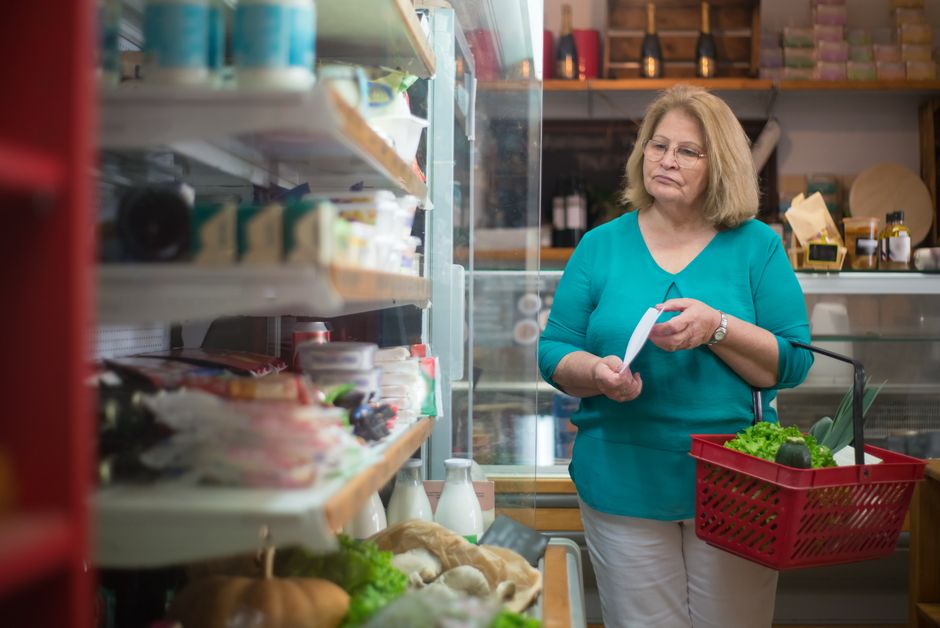
Manufacturers reformulate. A product you have bought safely for three years can quietly change, and the packaging often looks identical.
Check the ingredient list, the allergen statement — allergens must be emphasised in the ingredients, typically in bold — and any "may contain" warning, every time you buy.
"May contain" is not the same as an ingredient. It signals a risk of cross-contamination during manufacturing rather than a deliberate inclusion, and it is not legally standardised, so different manufacturers apply it differently. Whether a "may contain" product is appropriate for you is a decision to make with your allergy specialist, not one to work out from the packet.
The habit worth building is this: never assume a product is still safe because it was last time. It takes four seconds to check and it is the single most likely place for an accidental exposure to originate.
Nutrients to Watch When You Remove a Food Group
Cutting out a whole food group can reduce your intake of nutrients that came mostly from it. This does not make a deficiency inevitable — but it does mean the replacement deserves some thought rather than just being an absence.
| Food avoided | Nutrients worth watching | Where else to get them |
|---|---|---|
| Milk and dairy | Calcium, iodine, vitamin B12 | Fortified plant milks (check they are fortified — organic ones often are not), tinned fish with bones, tofu set with calcium, leafy greens |
| Eggs | Protein, choline, vitamin D | Meat, fish, pulses, fortified foods |
| Wheat and gluten grains | Fibre, B vitamins, iron | Brown rice, quinoa, buckwheat, potatoes with skins, beans and lentils |
| Fish | Omega-3, vitamin D, iodine | Flaxseed, chia, walnuts where safe; discuss supplementation with your GP |
| Nuts | Healthy fats, vitamin E, magnesium | Seeds where safe, olive oil, avocado |
Iodine deserves a specific mention, because it is the one most often missed. In the UK, dairy is the main dietary source for most people, and many plant milks are not fortified with it. If dairy is out, it is worth raising with a dietitian rather than assuming a plant milk covers it.
Mealiv tracks fibre, vitamins and minerals alongside calories and macros, so gaps show up as a pattern over weeks rather than being noticed at a blood test. You can also check any recipe before you cook it with the recipe nutrition calculator, or set your daily targets with the macro calculator.
None of this replaces professional advice. If you or your child has removed a major food group, a referral to a registered dietitian is worth asking your GP about — particularly for growing children, where the margin for error is smaller.
Making the Shopping Less Stressful
Shopping is usually the most time-consuming part of managing allergies, and the part most likely to go wrong when rushed.
- Shop from a list built from your plan, not from the aisles
- Stick with brands you have already verified, and check them anyway
- Keep emergency freezer meals so a bad week does not become an unsafe one
- Replace cupboard staples the moment they run out, not the moment you need them
- Avoid shopping in a hurry — label-reading is the first thing to go
- Do a first shop online if you are new to an allergy, so you can read ingredient lists at your own pace
Mealiv generates the shopping list directly from your meal plan, so the list matches what you actually intend to cook. Our guide to meal planning and grocery shopping covers the wider routine.
Build Your Own Allergy-Friendly Recipe Collection
The best long-term investment is a personal library of meals you already know are safe.
Aim for roughly thirty: perhaps five breakfasts, eight lunches, twelve dinners and five snacks. That is enough for genuine variety without ever needing to research a new recipe under time pressure, and it is a realistic target to build over a couple of months rather than a weekend.
Every time you successfully adapt a recipe, write down what you changed. The substitution you worked out once is worth more than the recipe itself, and it is the thing you will otherwise forget by the time you need it again.
Mealiv's cookbook lets you save recipes, import them from websites and keep everything in one place, so your collection travels with your meal plans rather than living in screenshots.

A Sample 7-Day Allergy-Friendly Meal Plan
Every allergy is different, so treat this as a structure rather than a prescription. It is built to show the shape of a workable week: leftovers doing real work, one cook-once Sunday, and no day requiring more than one new thing to check.
| Day | Breakfast | Lunch | Dinner |
|---|---|---|---|
| Monday | Porridge with fruit | Chicken salad | Homemade chilli (cook double) |
| Tuesday | Safe yoghurt and berries | Leftover chilli | Chicken stir-fry |
| Wednesday | Fruit smoothie | Jacket potato | Vegetable and chicken traybake |
| Thursday | Overnight oats | Soup with safe bread | Homemade curry |
| Friday | Toast with safe spread | Salad with leftover curry | Build-your-own pizza |
| Saturday | Eggs or a safe alternative | Wraps | Grilled chicken and vegetables |
| Sunday | Fruit and oats | Leftovers | Roast dinner (cook extra) |
Notice that Monday and Sunday both cook extra deliberately. Two cooked-once meals cover four eating occasions, which is what makes a week like this survivable rather than theoretical.
Mealiv can generate a personalised version of this around your specific allergies, household size and nutrition goals with the AI meal plan generator.
Common Meal Planning Mistakes
Most people make allergy meal planning harder than it needs to be, usually in the same handful of ways:
- Planning too many different meals. Ambition in week one is why there is no plan by week three.
- Not batch cooking. The freezer is what protects you on the days the plan fails.
- Skipping label checks on familiar products. Reformulation is the classic route to an accidental exposure.
- Letting emergency meals run out. Replace them the week you use them.
- Assuming a restaurant dish is unchanged. Suppliers and recipes change without notice; ask every visit.
- Focusing only on allergens and ignoring balance. A diet can be entirely safe and still be short of iodine, calcium or fibre.
- Not writing down successful substitutions. You will not remember the ratio that worked.
How Mealiv Helps with Food Allergy Meal Planning
Managing allergies is not really about finding safe recipes once. It is about staying organised week after week, which is where most systems quietly fall apart.
Mealiv keeps the whole loop in one place. You can plan a full week around the foods you avoid, save and import recipes you have verified, generate the shopping list straight from the plan, and track protein, fibre, vitamins and minerals so nutritional gaps become visible before they become a problem.
The allergy-friendly meal planner is the place to start, and the meal planner is where the week gets built.
Mealiv is a planning aid rather than a safety device. It works from the recipes and ingredients you give it, so it cannot know how a product was manufactured or whether a brand has reformulated. Always read the label on the actual packet, every time.
Frequently Asked Questions
Can cooking destroy food allergens?
No. Allergenic proteins are generally not destroyed by normal cooking or reheating, and the Food Standards Agency advises that allergens cannot be removed by cooking. The safest approach is to avoid the allergen completely and prevent cross-contamination during preparation.
Can adults develop food allergies?
Yes. Although many food allergies begin in childhood, adults can develop new ones later in life. If you suspect a new allergy, speak to your GP rather than starting an elimination diet on your own — self-diagnosis tends to remove more foods than necessary while missing the actual trigger.
What is the difference between a food allergy and a food intolerance?
Food allergies involve the immune system and can cause serious reactions, including anaphylaxis. Food intolerances do not involve the immune system but can still cause genuinely unpleasant symptoms. The distinction matters because it changes how strictly you need to avoid traces. If you suspect either, seek advice from a qualified healthcare professional.
Is "may contain" the same as an ingredient?
No. "May contain" usually indicates a risk of accidental cross-contamination during manufacturing rather than a deliberate ingredient. It is not legally standardised, so manufacturers apply it inconsistently. Whether it is appropriate for you to eat depends on your individual allergy and on medical advice.
Can I freeze allergy-friendly meals?
Yes. Most homemade meals freeze well, which makes batch cooking one of the most practical things you can do — it keeps safe food available on the days when cooking from scratch is not going to happen.
How do I plan meals for family members with different allergies?
Build from a shared safe base and let people customise their own plate — build-your-own tacos, grain bowls and traybakes all work well. Prepare the safe version first, use separate boards and utensils, and store allergen-containing foods on their own clearly labelled shelf.
Can Mealiv help me plan allergy-friendly meals?
Yes. Mealiv helps you organise recipes, build weekly meal plans around the foods you avoid, create matching shopping lists and monitor your nutrition over time. It is a planning aid, not a substitute for reading labels.
Take the Stress Out of Food Allergy Meal Planning
Living with food allergies does not have to mean losing an evening a week to planning and label-checking. A simple routine, a safe food list you trust, a freezer with something in it and a habit of checking packets will cover most of it.
The goal is not a perfect system. It is a boring one — the same shape of week, repeated, with enough variety that nobody minds. That is what makes it last.
Mealiv brings the planning, recipes, shopping lists and nutrition tracking together in one place, so the organising takes minutes rather than an evening.